

Our Mission
The Boston Camerata preserves and reawakens human memory as expressed through the art of music. It accomplishes this mission through live, historically informed, professional performances; through study and research into musical sources of the past; through media projects; and through community outreach and musical education.
We look to the past, in all its rich diversity, to better understand the present, to inform the future, and to encourage living human connection via the shared joy of great music.
Who We Are
The Boston Camerata occupies a unique place in the densely populated universe of European and American early music ensembles. Camerata’s distinguished rank stems partly from its longevity: founded in 1954, when the field of endeavor was in its infancy, as an adjunct to the Boston Museum of Fine Arts’ musical instruments collection, Camerata is now one of the longest-lived groups to be vigorously functioning up to the present day.
But length of service, by itself is not sufficient to account for Camerata’s preeminence, nor are its numerous distinctions including the American Critics’ Circle Award, grants from the National Endowment for the Arts, residencies at the Massachusetts Institute of Technology and the University of Tennessee, and the Grand Prix du Disque. The Boston Camerata has achieved its eminence in large part because of its willingness to approach, with consistent success, many kinds of historical repertoires from many centuries, from the early Middle Ages to the nineteenth century, and from many places and cultures, stretching from the Middle East to early New England, with numerous intermediate stops in Renaissance and Baroque Europe and Latin America. Directed from 1969 to 2009 by Joel Cohen, and from 2009 to the present day by Anne Azéma, the Boston Camerata has continued to create, over more than a half-century of activity, a large number of concert and media productions. These typically combine scholarship, much of it original, with high performance standards maintained by a distinguished roster of outstanding vocal soloists and instrumentalists. Camerata’s productions regularly combine dramatic flair with a certain humane, overarching perspective on the role music has played in (wo)mankind’s search for meaning and fulfillment. Camerata’s signature approach, as embodied in its touring, pedagogy, and media projects, has won the ensemble many listeners and followers on five continents as the ensemble presents new projects all the while maintaining in active repertoire many of its historic achievements.

“Ravishingly beautiful”
The Dominion Post, Wellington, New Zealand
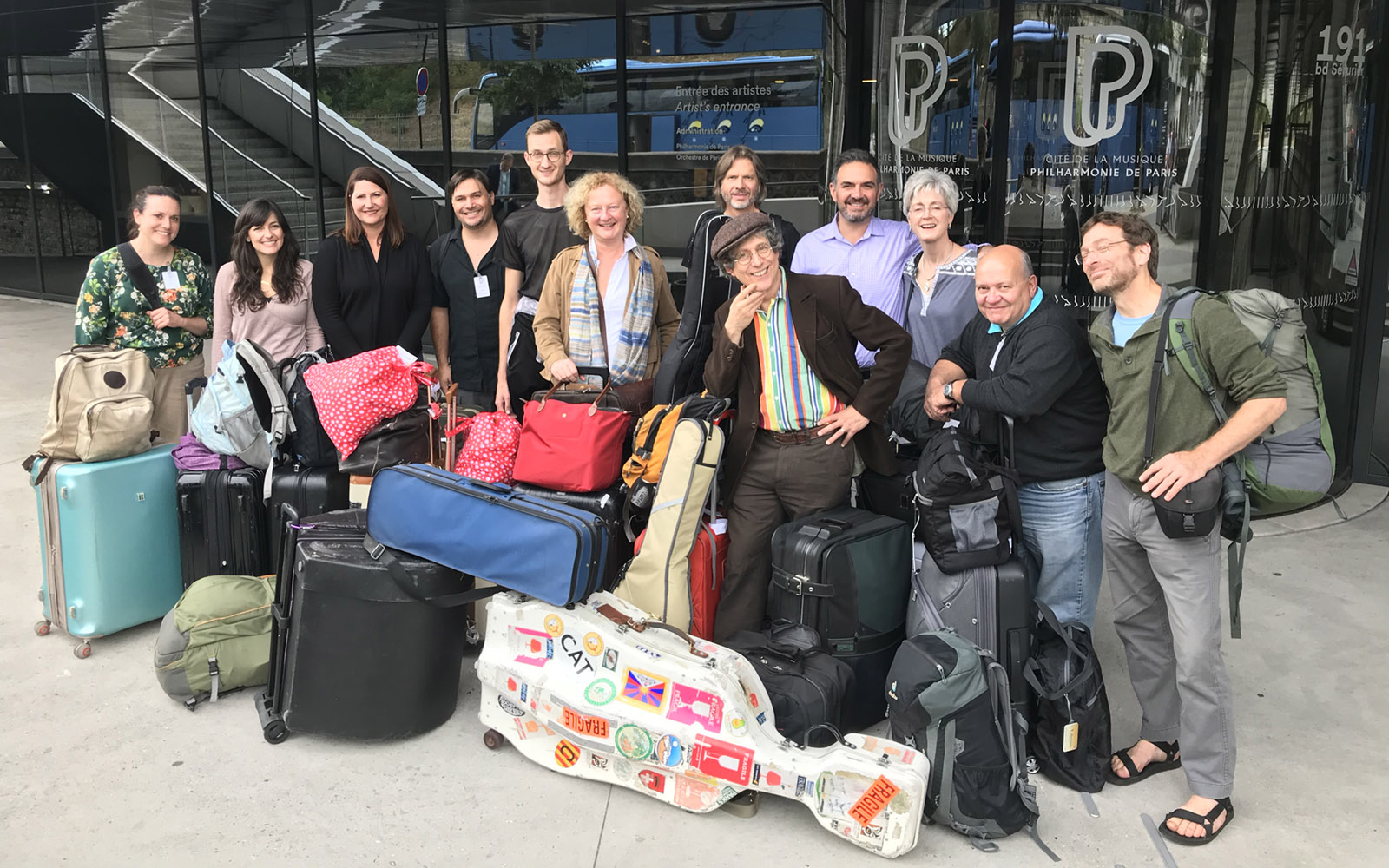
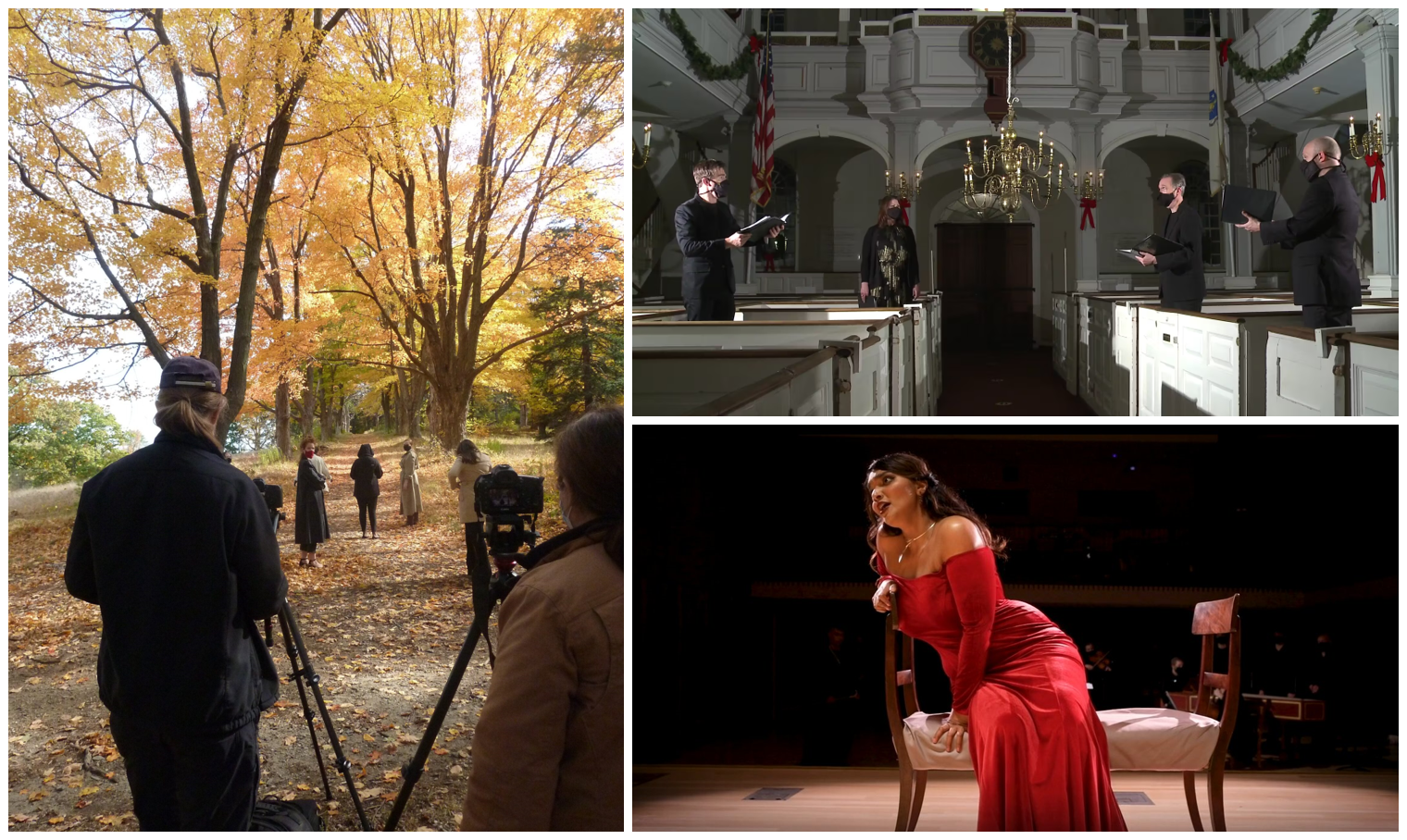
Camerata’s diary in recent seasons has reflected intense activity. Borrowed Light, a music and dance production in collaboration with the Tero Saarinen Company of Helsinki, Finland, toured extensively, with over eighty performances from 2004 to 2015 in the United States (Brooklyn Academy, Jacob’s Pillow Festival), Europe, (France, Germany, Italy, Belgium, Scandinavia, Netherlands) the United Kingdom, and Australasia (Australia and New Zealand). The film of Borrowed Light has been seen over twenty times on European cable television in 2018, 2019, and 2020. The ensemble has recently appeared in concert at the Théatre de la Ville, Paris (2015), the Alcântara Festival in Brazil (2016), The Metropolitan Museum The Cloisters (2017), Rockefeller Chapel Chicago (2018), La Philharmonie de Paris (2018). Anne Azéma’s innovative staged productions include The Night’s Tale, narrating a medieval tournament in France, which was first presented in France and Luxembourg (2007), then performed in Boston to great acclaim (2016), with further touring in 2017 and 2018 (Switzerland, Holland, France), and in the US in 2020. Azéma’s reimagining of the Play of Daniel (premièred in 2014) is by now an integral part of the Camerata’s public face to the world. Further tours of Daniel took place in North America (Canada and the US Midwest) in late 2014, continuing in 2017, 2018, 2020. In late 2020, in the midst of the pandemic, Azéma’s trailblazing, made-for-streaming production of Henry Purcell’s Dido & Aeneas earned international attention as it was viewed by music lovers on five continents. Dido> was reprised live in Cambridge in spring 2023 and toured domestically.
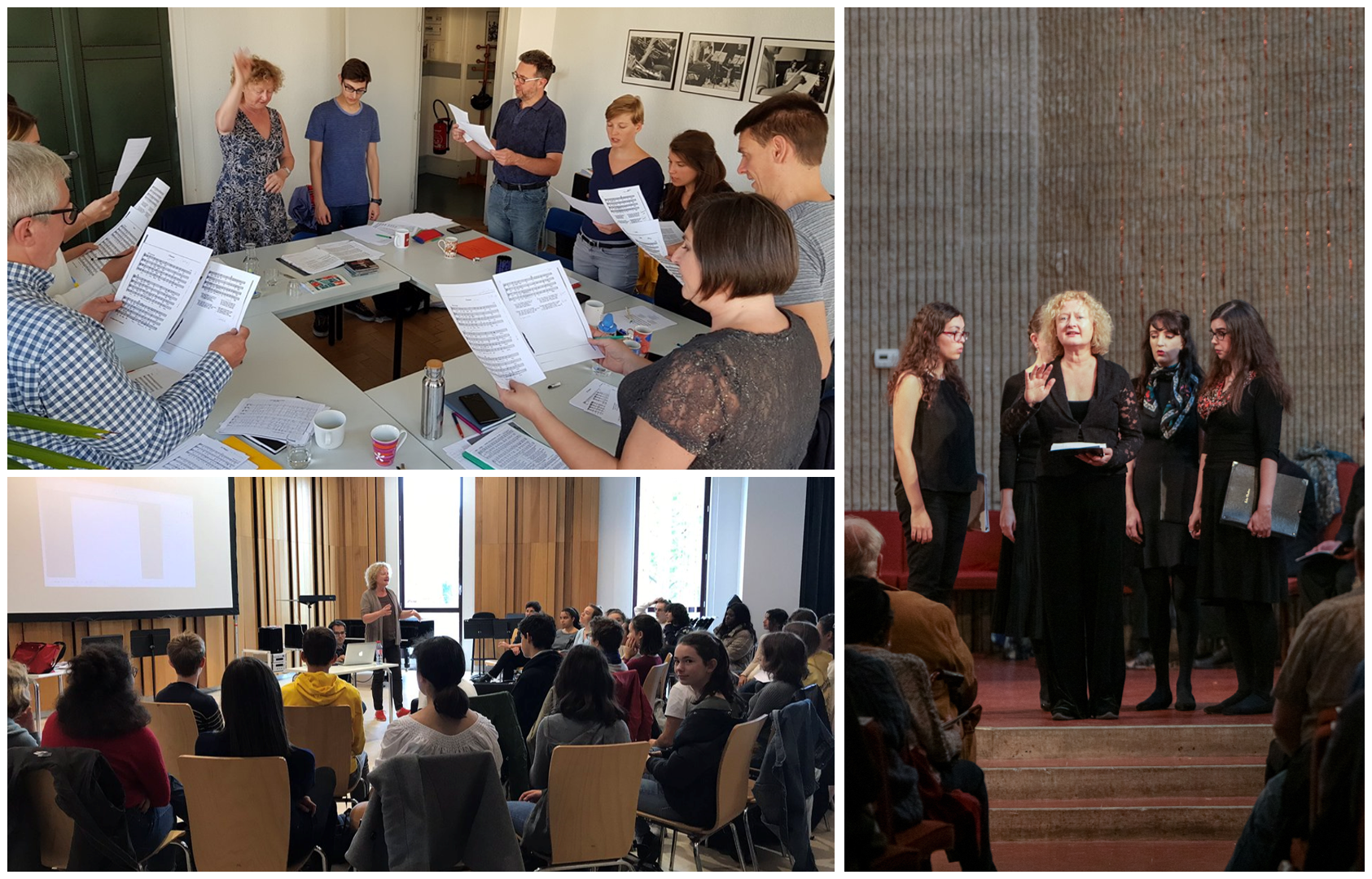
Collaborations with local choirs (both children and adults) and with young professionals-in-training in both Europe and the United States continue to be a distinctive feature of the company (2016–2024 touring seasons).
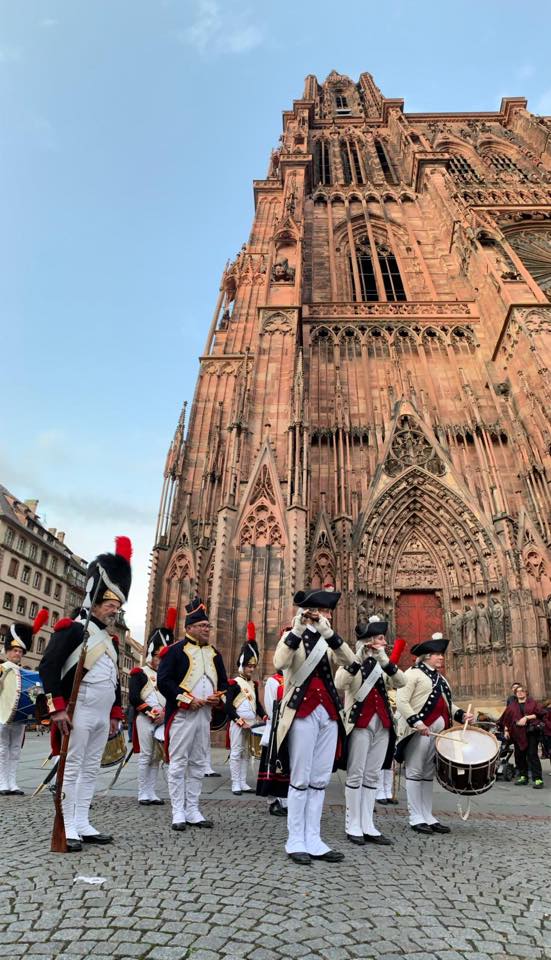
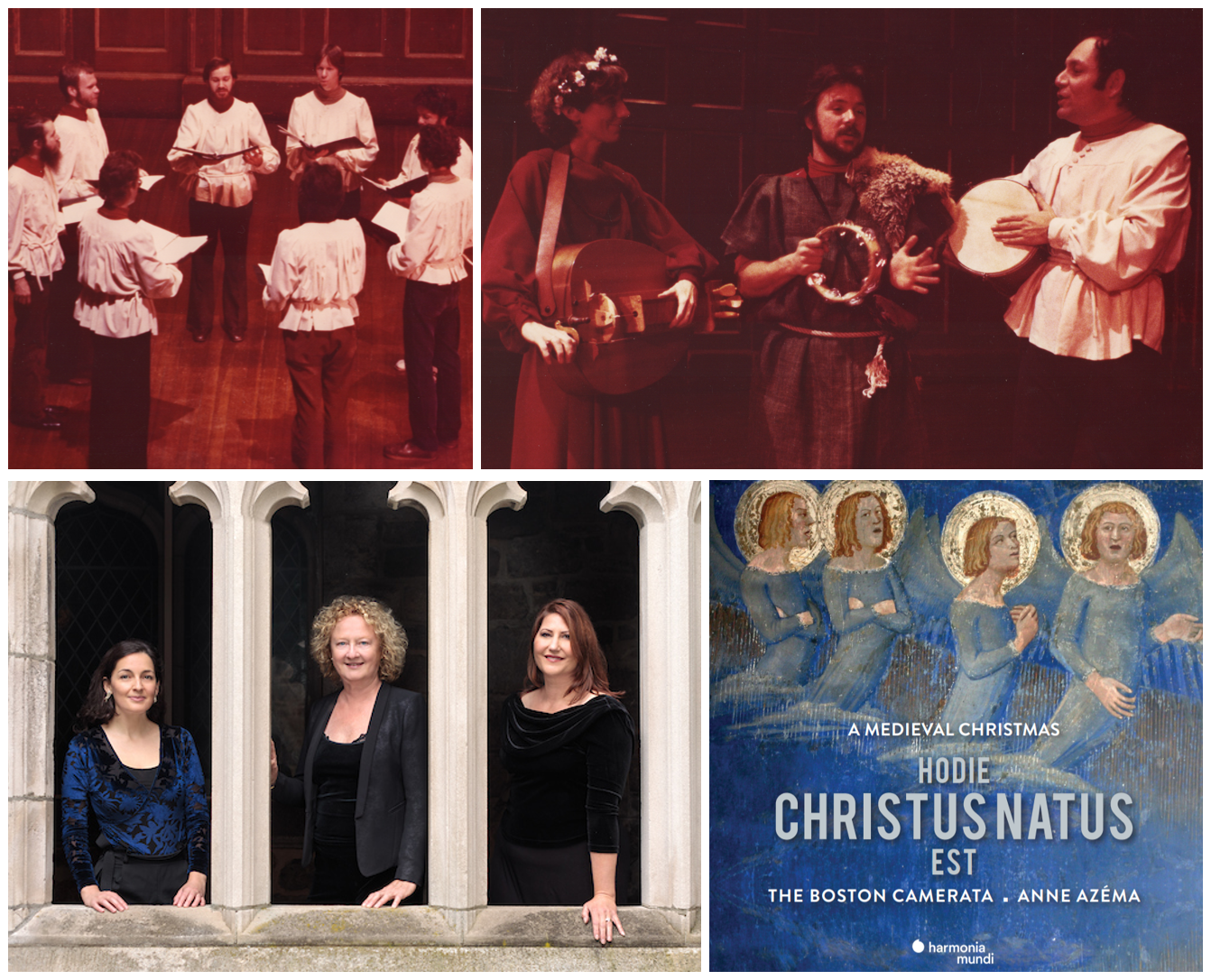
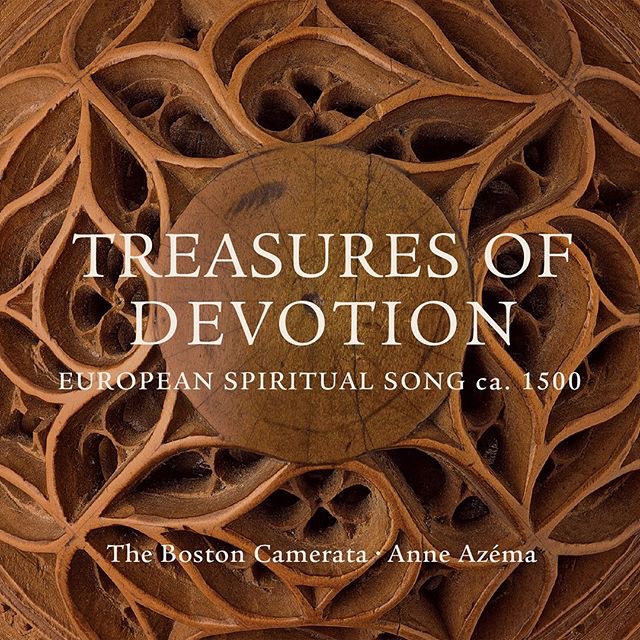
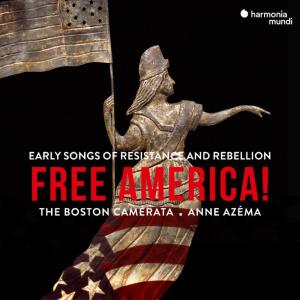
Two new media projects were released in 2019: Treasures of Devotion: European Spiritual Song ca. 1500 (Music & Arts – Naxos); and Free America! Early Songs of Revolt and Rebellion, which renewed a collaboration of the ensemble with Harmonia Mundi. A third album, A Medieval Christmas – Hodie Christus Natus Est, was issued in 2021. After the success of Dido and Aeneas: An Opera for Distanced Lovers in late 2020, Camerata has produced seven more programs for streaming worldwide. The Boston Camerata is proudly at work on its 70th Anniversary season, 2024-2025.
Our History
Rejoicing in seven Camerata decades. An unusually long and distinguished career, immersed at every moment in [early] music and the riches of musical history. Some of the milestones:
1954, our birth year, under the auspices of a visionary woman, Narcissa Williamson, opening up the display cases at the Museum of Fine Arts, letting the precious early instruments be heard in concert; the revelation of a newly formed ensemble, gathered for that purpose

Front row, left to right: Ellalou Dimmock, Narcissa Williamson, Judith Davidoff, Anne Gombosi, Janice Lourie, Harold Brown
Back row: Carl Nelson? and David Fuller
Growth at the MFA (1955-1965)
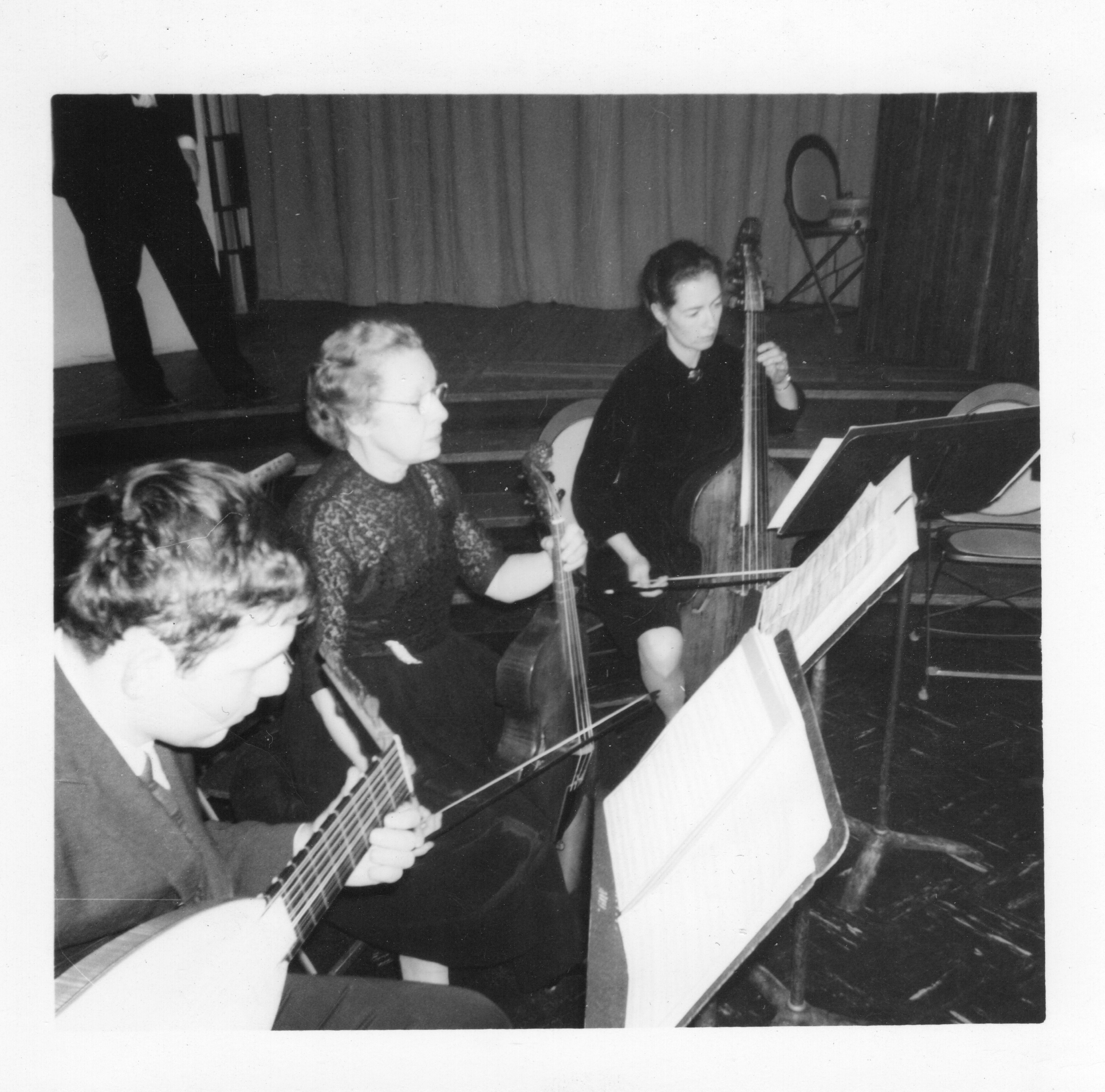
Calling, in 1968, on a young composer-performer, fresh from his studies abroad, to direct the ensemble
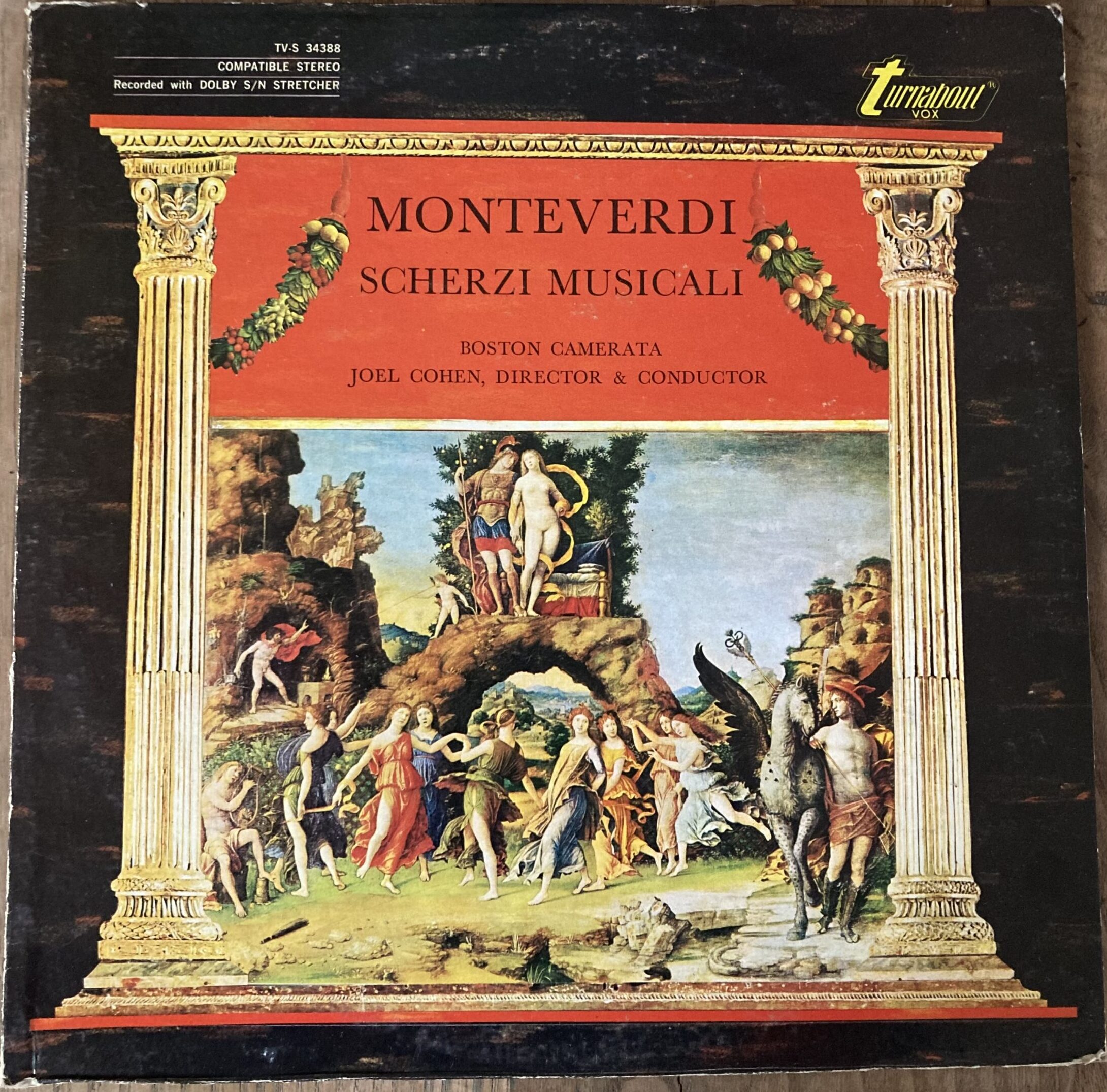
First commercial recordings, also in 1968
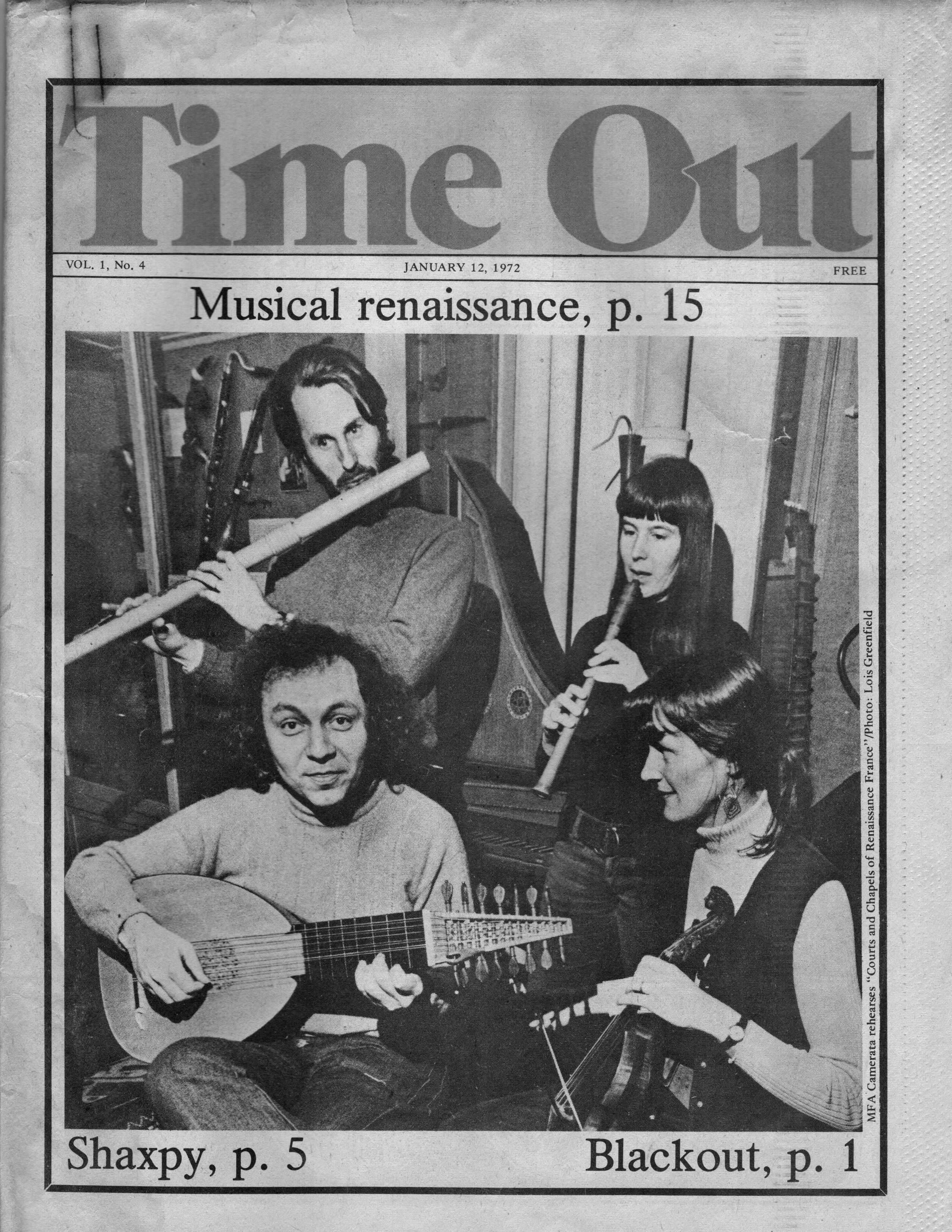
Early press attention (1972)
A pioneering recording, A Medieval Christmas (1974) followed by national recognition
 Incorporation as an autonomous entity, and a first tour in Europe (1974)

Back row: Sally Gordon, Kurt Hayashi, Barbara Lakeburg; Jane Shaw, Mark Baker, Rufus Hallmark, John Clarke, Eva Lindfield, Susane Lovell, Barbara Thornton, Deborah Prince, Peggy Tillinghart Wright
Front row: Joel Cohen, Laura Jeppesen, Jane Hershey, Alison Fowle, Phillip Long, Richard Cook
Defining the contours of early music performance in America (1979)
Touring starts in earnest: thousands of Parisians attending a week of sold-out performances at a major theater (1981)
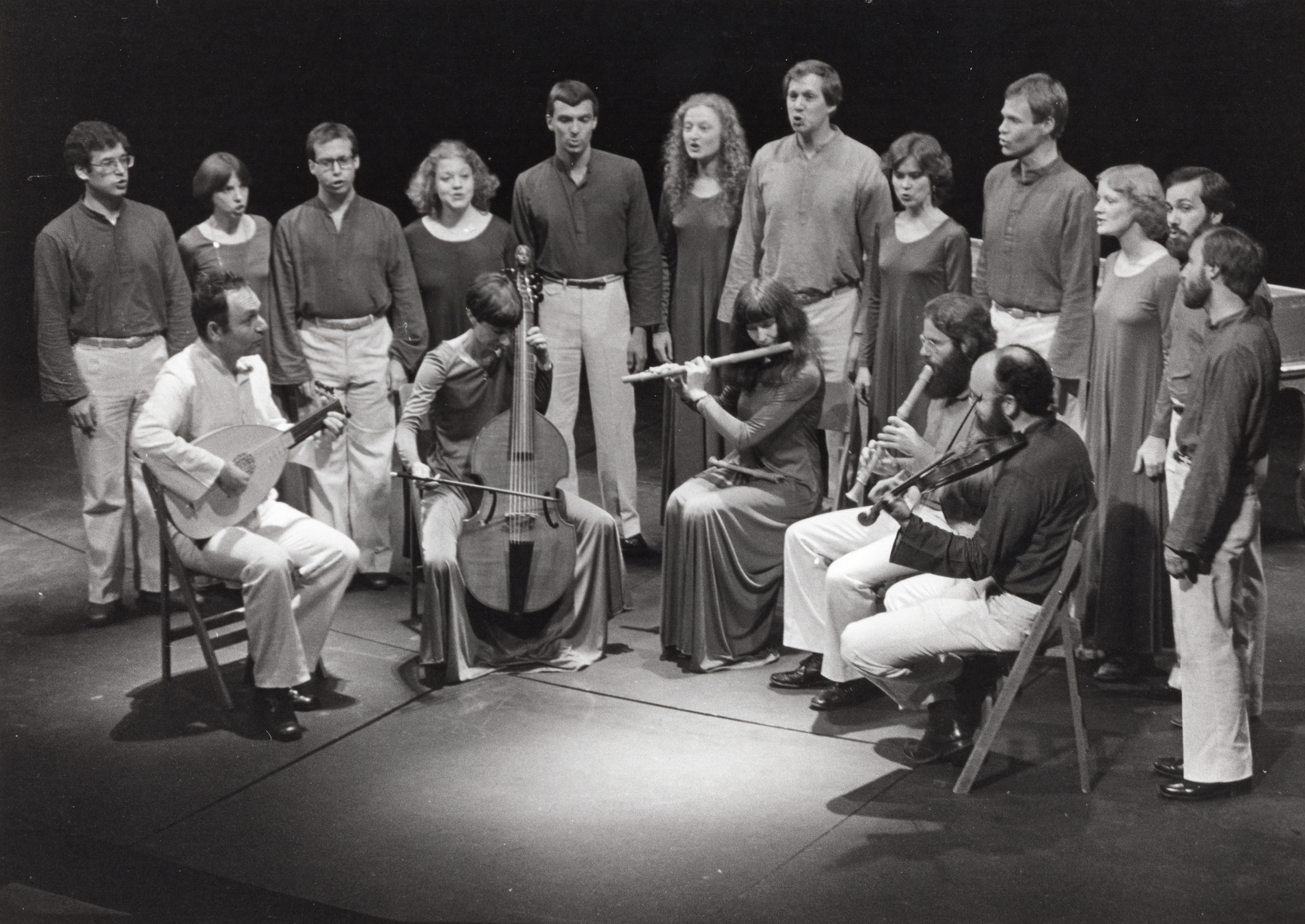
Summer schools; growing pains and a difficult adolescence (1985-86).
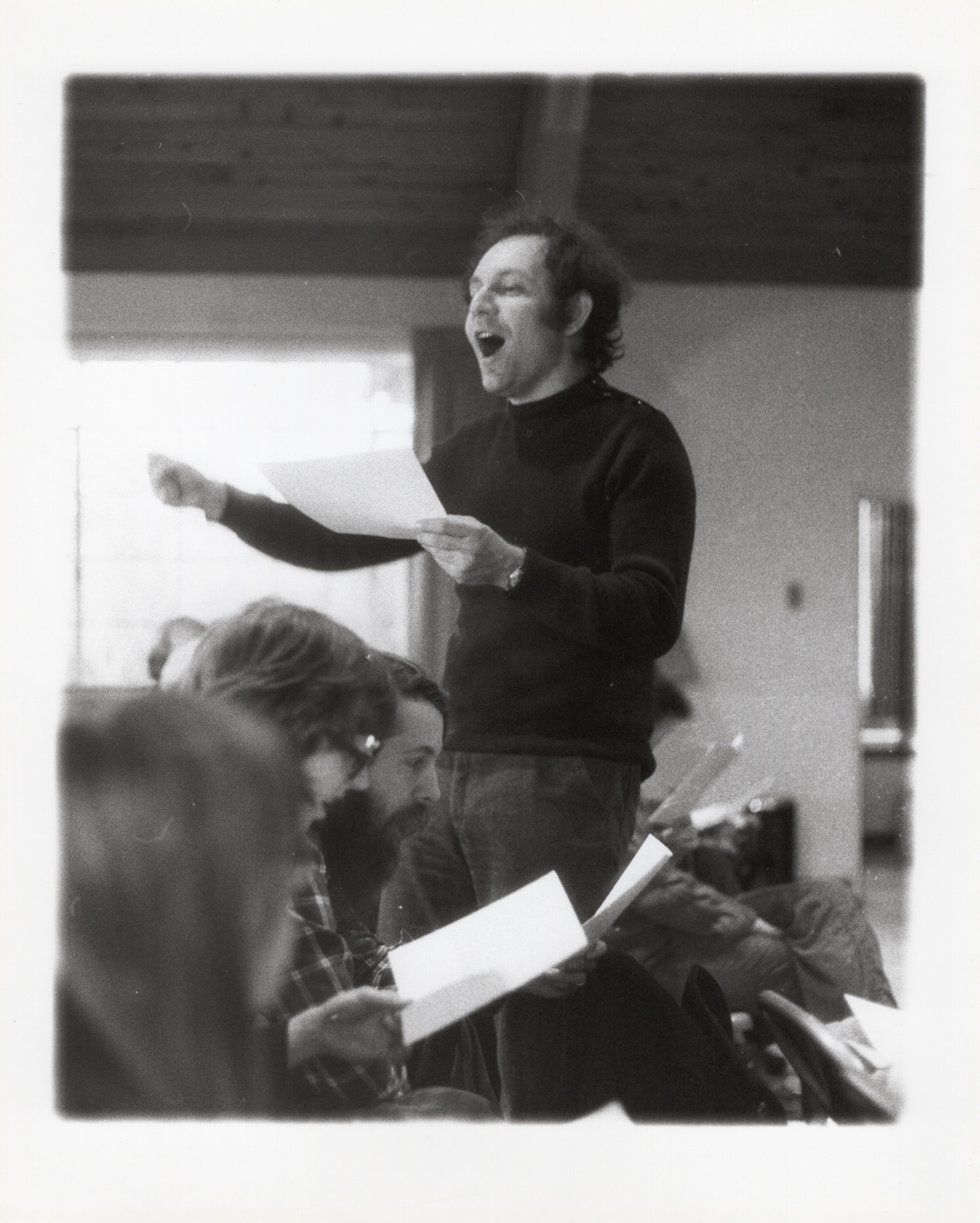
Moving forward with new energy and new repertoires, casts (1986)
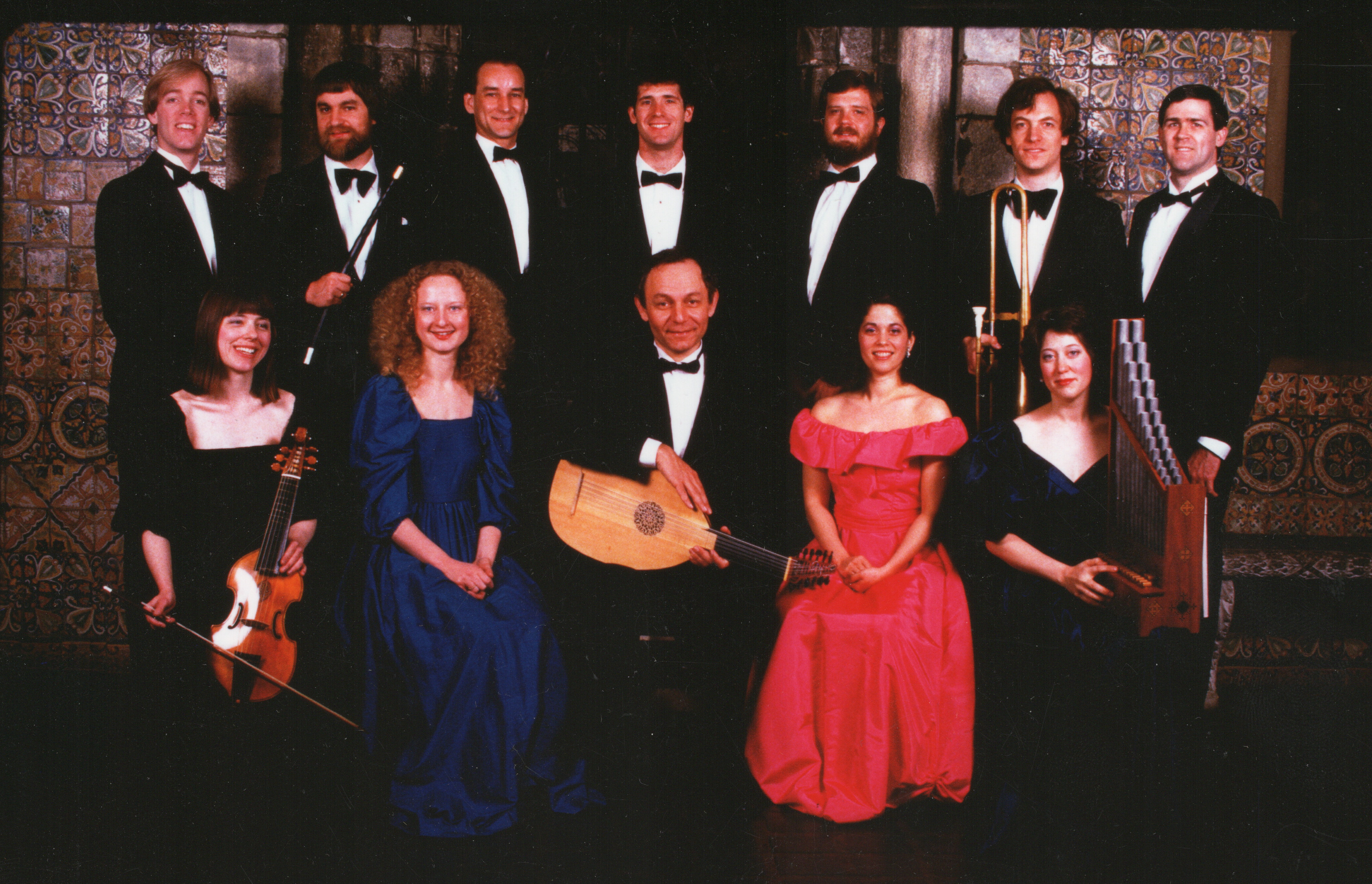
International major recognition for Camerata’s unique style of research and programming (1987)
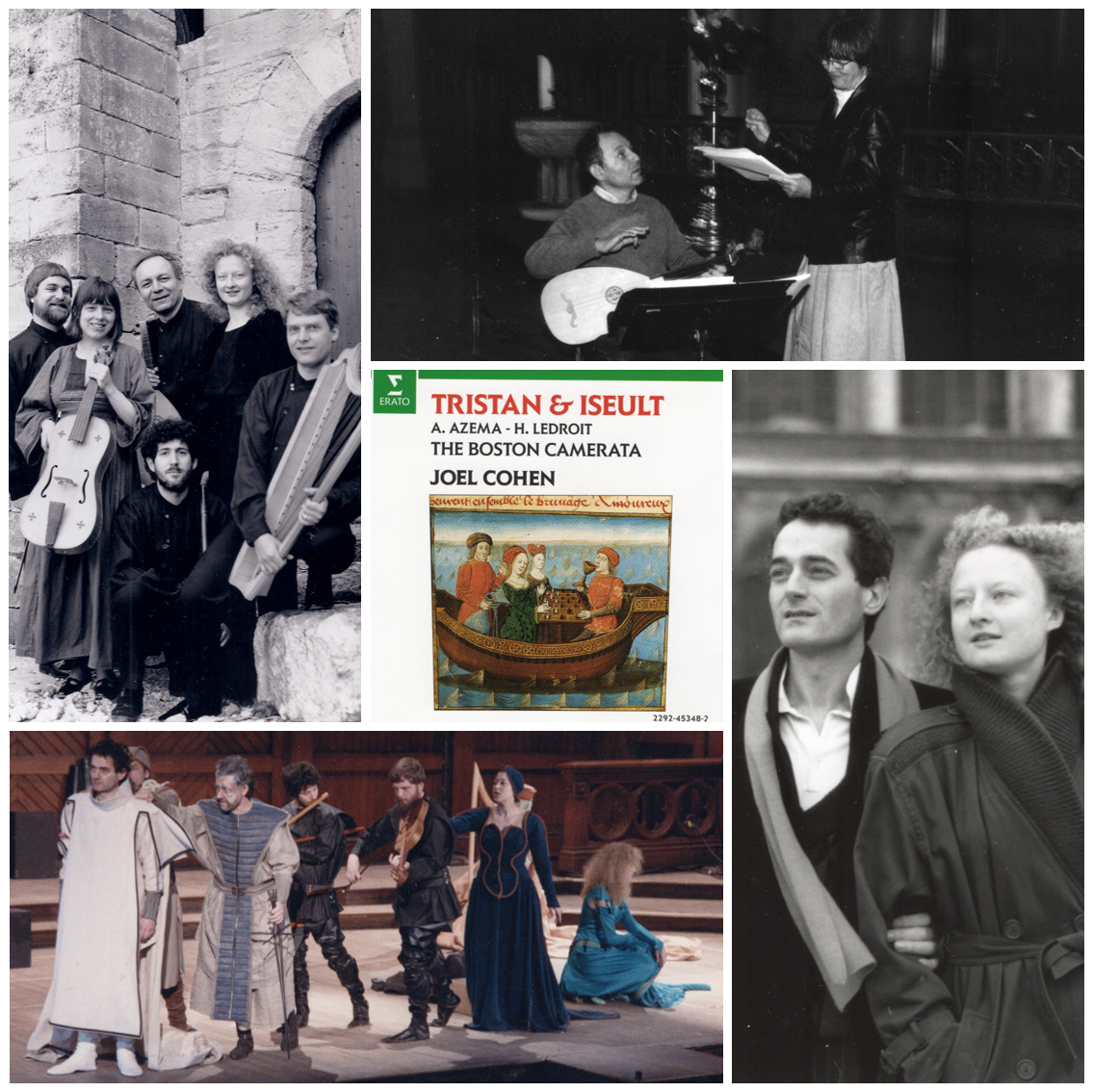
Exploring bridges between European art music and oral and “popular” traditions; incorporating, when warranted, the talents of musicians from non-classical traditions into Camerata productions (1986 forward)
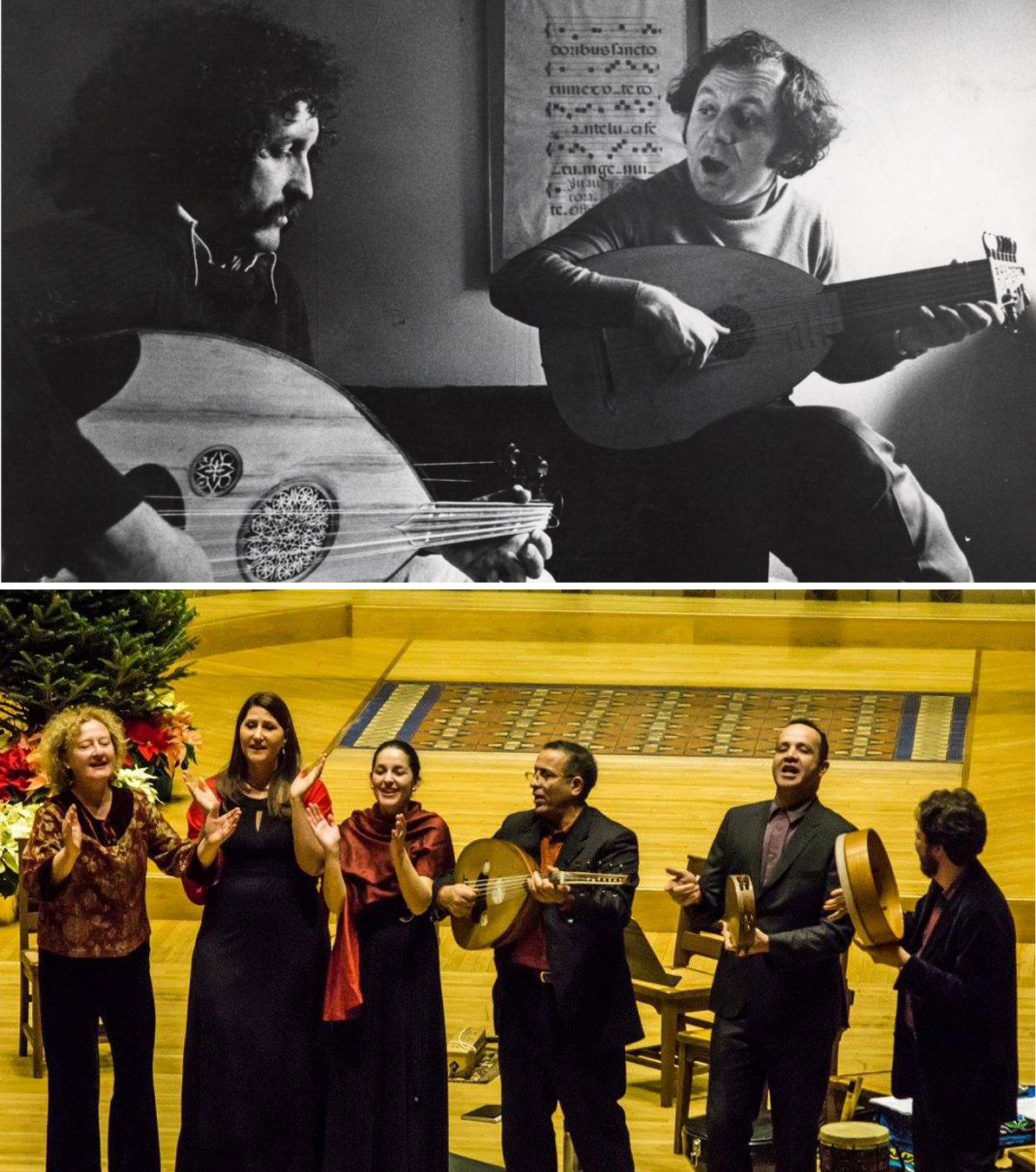
Exploration in depth, archival research and performance, of New World and early American repertoires (1989-forward)
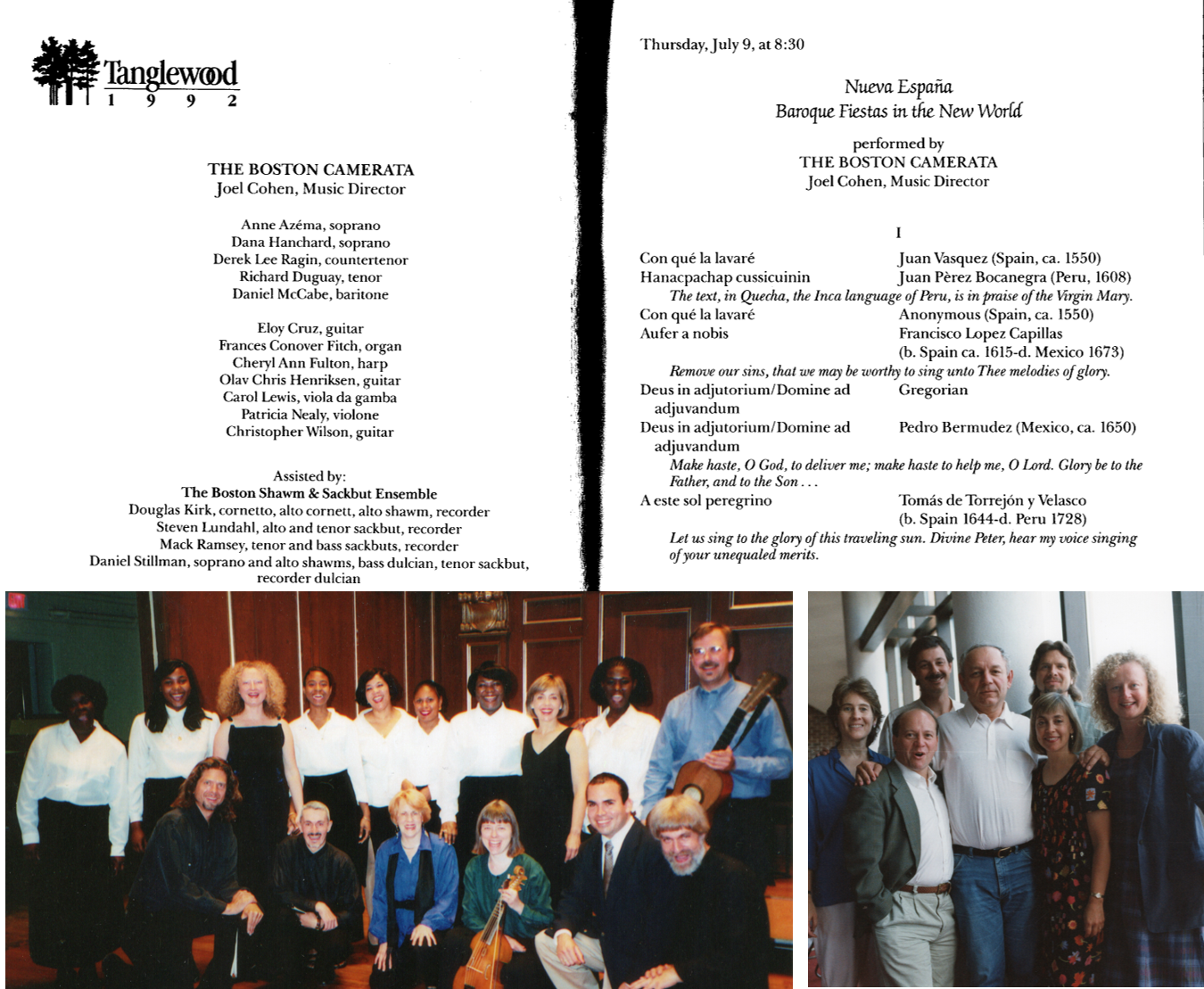
Collaborating and performing with the surviving members of the Shaker Society (1994)
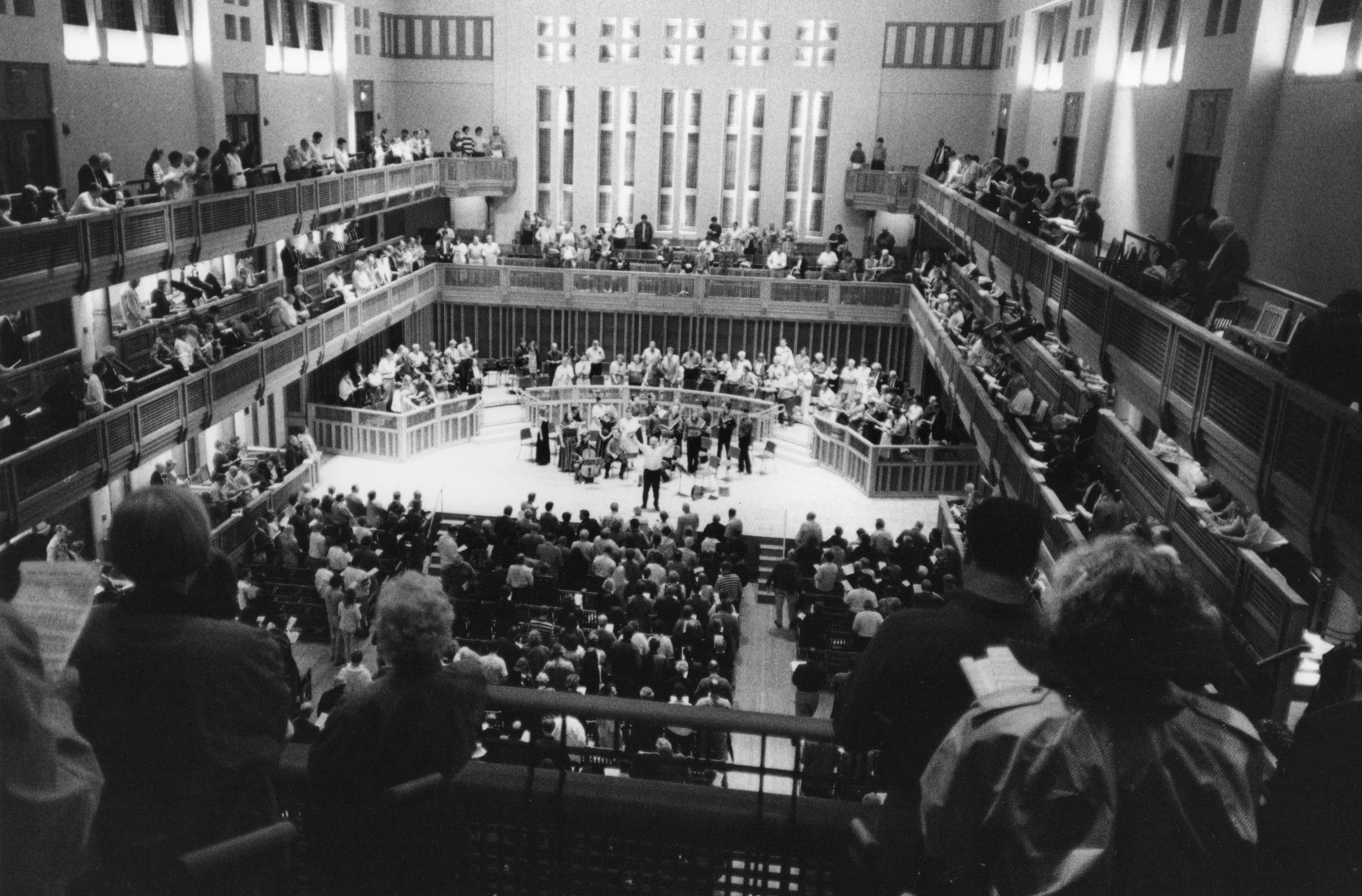
Intense and on-going recording activities (47 titles to date), expanding collaborations (2004 and forward), and touring (five continents), including major festival appearances, domestic and international
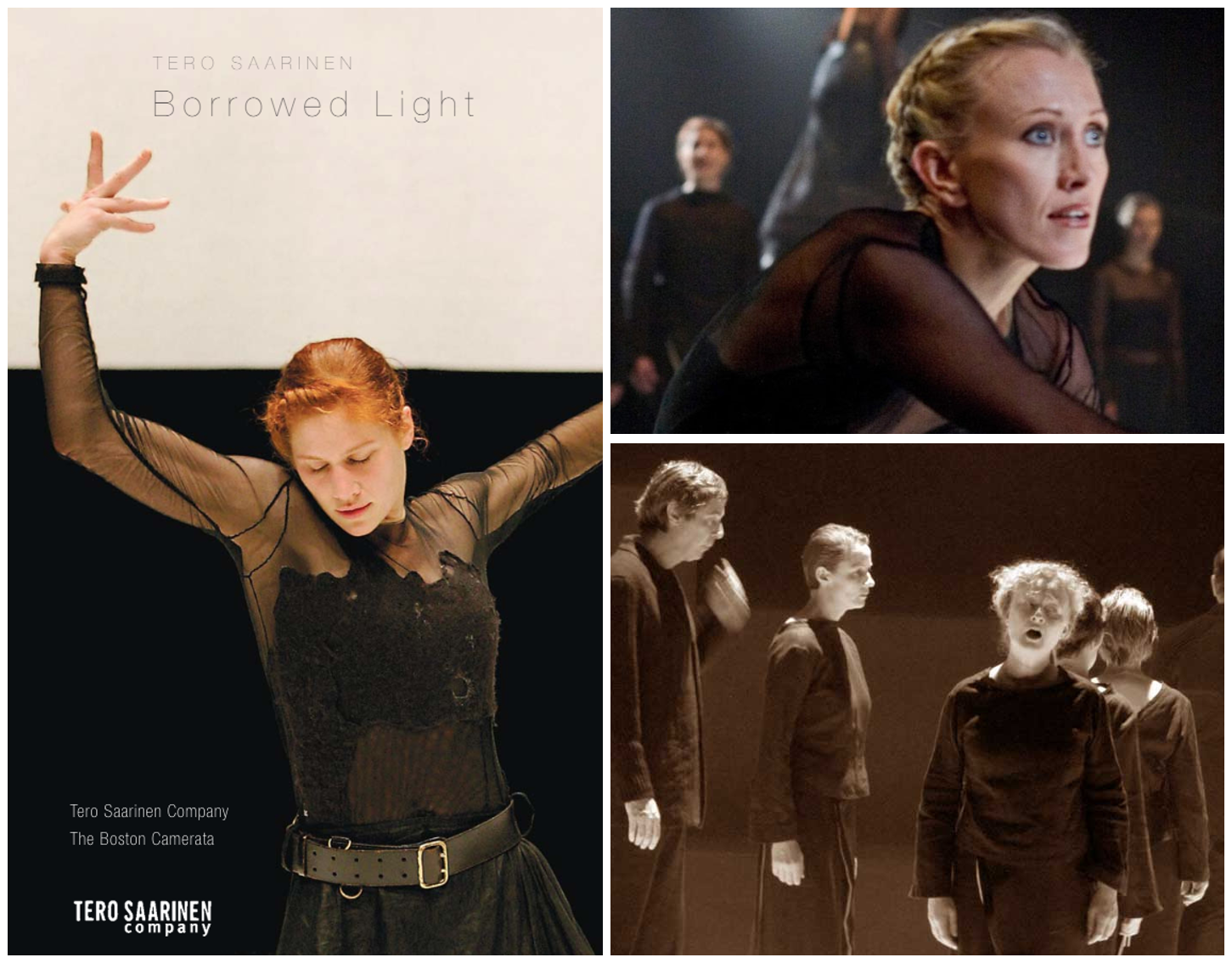

Photo credit: Ben Dunham
A new Artistic Director takes charge (2008)
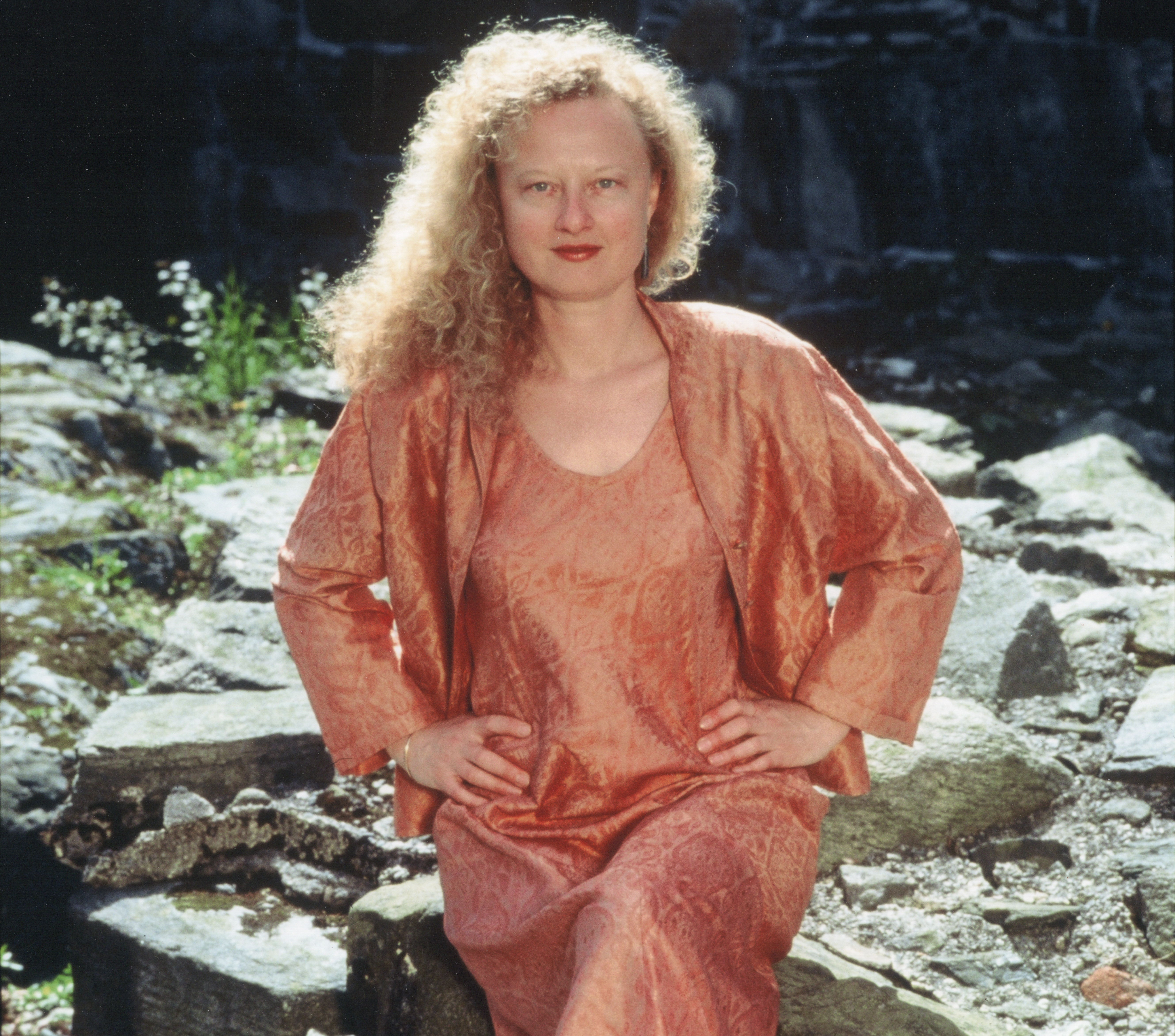
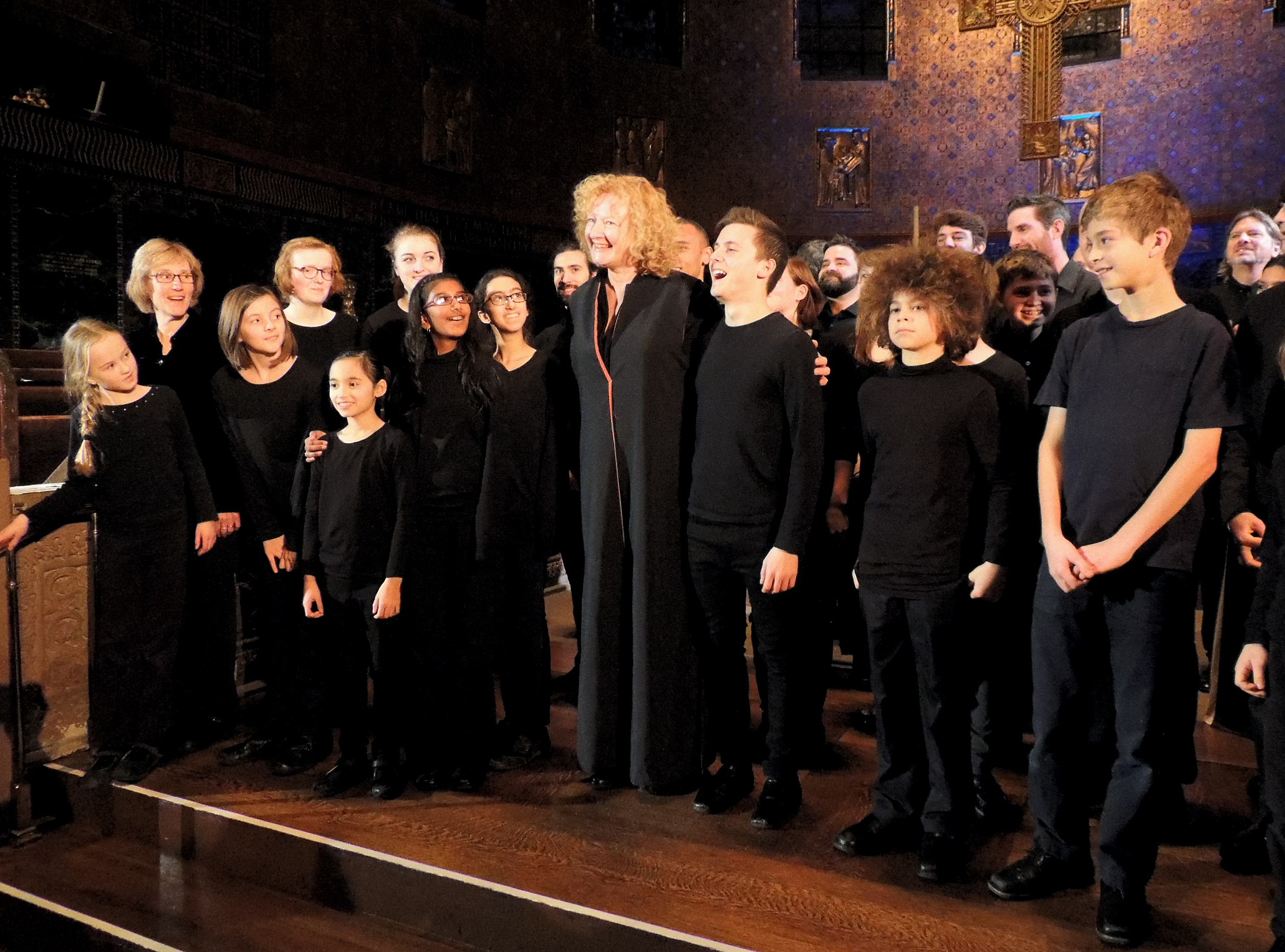
Integration of young artists, amateurs, students, and collaborating ensembles, here and abroad
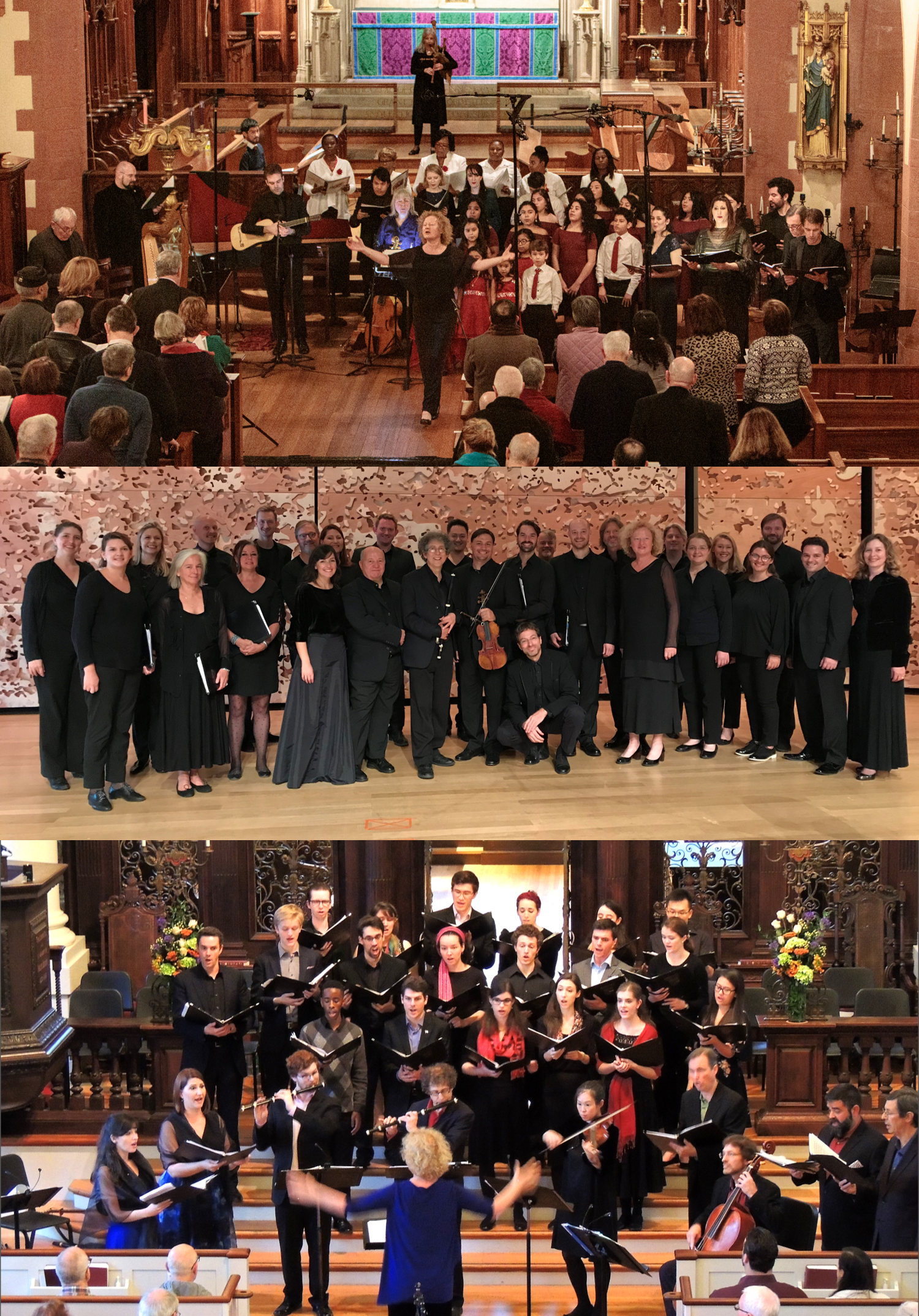
Extensive creation of new productions (eighteen, between 2008 and 2023);
A new emphasis on staged productions and music theater, (2014-23)
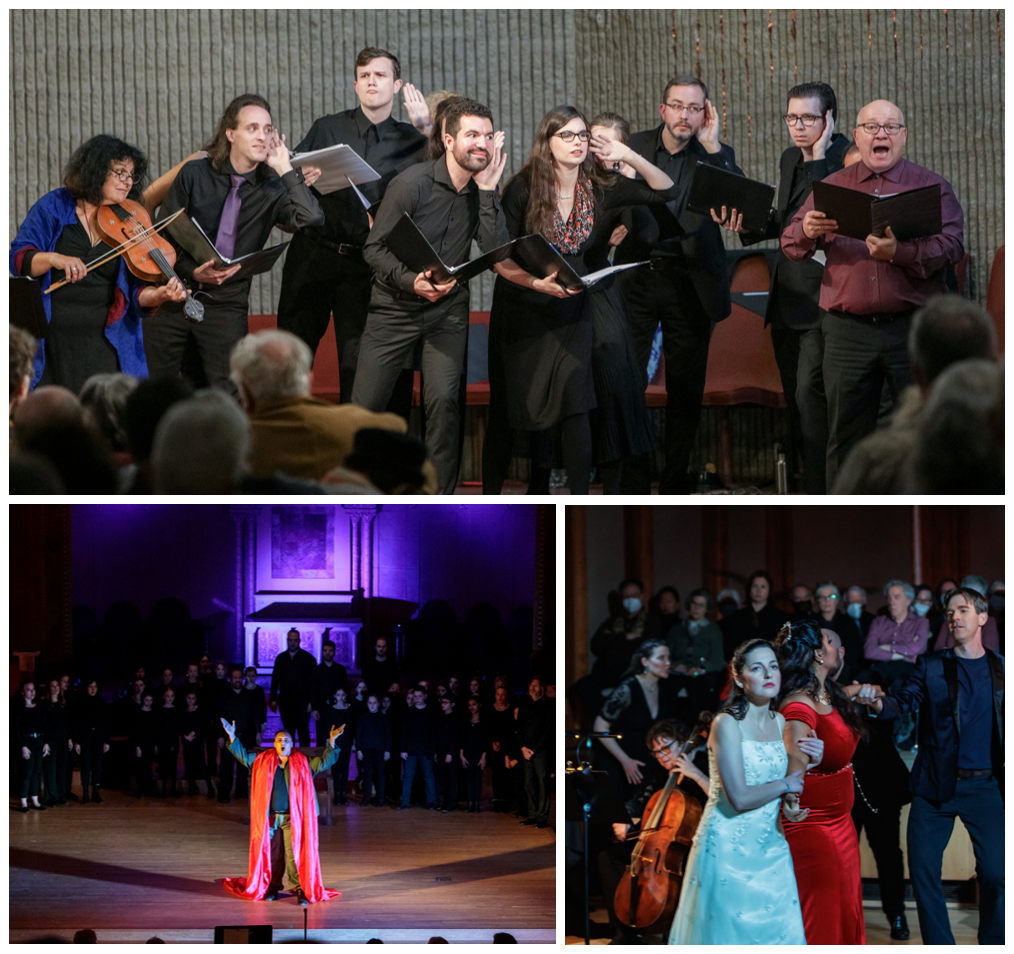
International touring, often in partnership with invited ensembles;
Increased emphasis on education and the training of the next generation of specialist performers;
Revisiting, revising, and reshaping core Camerata productions for the audiences of today;
Overcoming the challenges and obstacles of the COVID years (2020-2022) and, strengthened, moving forward with pride.
2024-2025: 70th Anniversary Boston and Touring Season
2025-2026: 71st Season, Midnight Cry
