


Music, say our American ancestors, may soothe the heart, but it also sustains the search for values.
This program explores, in a present moment when American ideals are undergoing such deep challenges, the vital and life-affirming sounds of the young Republic, as its citizens sang and played forth their love of freedom and their rejection of tyranny.
The rough-hewn sounds of New England citizen-composers still ring true and strong to our contemporary ears. And so do Liberty’s attendants — feminists, abolitionists, freed slaves, religious minorities and the insolent scallywags of “Yankee Doodle” — all remind us that in our musical roots lies our true strength.
These songs, both written and from oral traditions, offer an enlarged, intercultural perspective on the music played and sung in the early republic’s first century. They will include marches, anthems, spirituals and ballads, restating our commitment to democracy. First commissioned by the Paris Philharmonie in 2018, a new Harmonia Mundi CD.
 Anne Azéma (voice) and Shira Kammen (strings) are leaders in the field of medieval singing and accompaniment. Each has recorded prolifically and toured worldwide; together, they devote their enormous skill, insight, and fantasy to the magnificent repertoires of medieval France, Provence, and Spain. French-born Azéma brings authentic language skills, a crystalline voice, and a gift for theatre; Kammen brings virtuoso technique on vielle, rebec, and harp, as well as her famous flair, drive, and humor. This program has music by Anonymous, Gauthier de Coincy (1177/8-1236), Thibault de Champagne (1201-1253), in praise of the Queen of Heaven in the most elegant and subtle style; while anonymous minstrels transform the songs of the day into vigorous, toe-tapping spirituals, all in the service of the narration of the Christmas story.
A much-loved Camerata holiday program returns two generations later! We celebrate Christmas in the English speaking world down through the centuries, with wonderful songs and carols from the Middle Ages to the Renaissance to early America. While most music presented here is art
music — transcribed from old manuscripts and prints — the means of expression are generally direct and simple, with a strong folk and popular vein. Camerata’s top soloists, voices and instruments, offer a unique experience at year’s end. Get into the holiday spirit with “Edi be the hevene quene“!
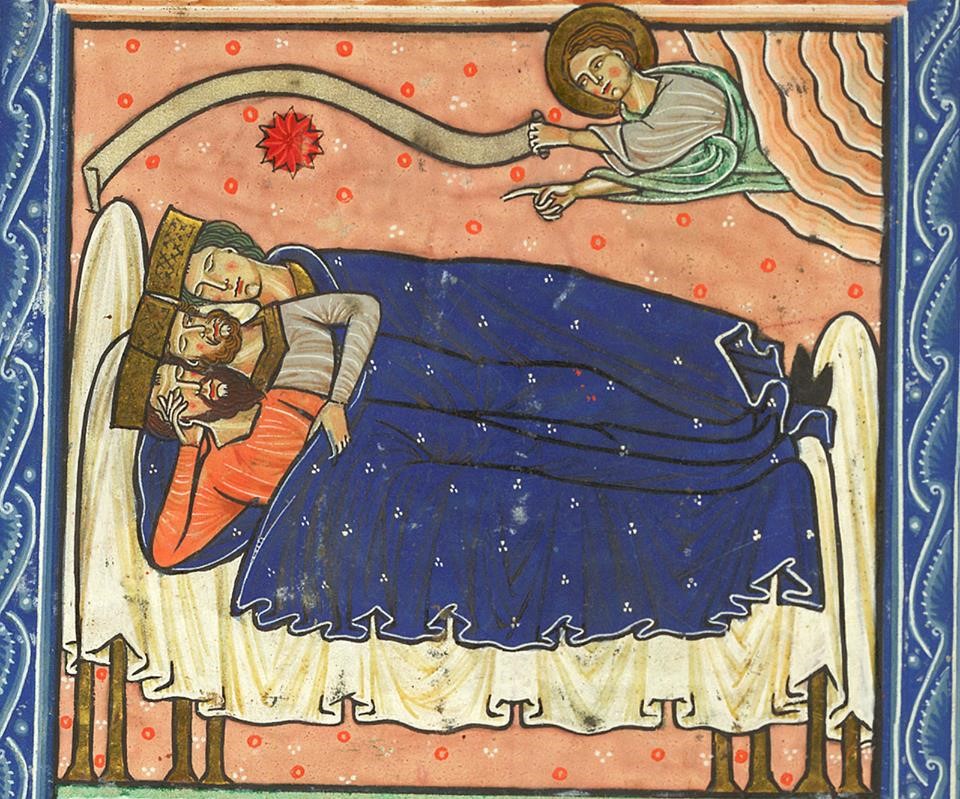 This exuberant, vivacious program celebrates Christmas with music from the Spanish speaking parts of the globe: Renaissance Iberia, and the Hispanic settlements of the New World. Encounters among indigenous Americans, the Spaniards, and West Africans produced some extraordinary musical results—unusual vocal colors, soulful melodies, and irresistible rhythms, sustained in our production by winds, Iberian harp, and percussion.Come hear the exceptional singers and instrumentalists of the Camerata (Colombia, North America, and Europe).
 Spain in the Middle Ages, like contemporary America, was a nation of diverse religions and cultures. In the thirteenth century, Alfonso X the Wise (1221-1284) called himself “King of the Three Religions”, and welcomed Jewish, Christian, and Muslim musicians, artists, and thinkers to his multi-ethnic court. The concert program is an attempt to recreate the unique musical, poetic, and spiritual climate of Iberia in the thirteenth century. Using King Alfonso’s magnificent collection of songs to the Virgin Mary as its central element, the program weaves Jewish and Islamic elements around the Christian songs. The performers, all recognized experts in their fields of medieval and/or Andalusian music, come, like the musicians at Alfonso’s court, from the different musical and religious traditions that made up the court orchestra of the Wise King.
St. Louis, MO
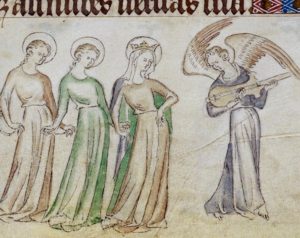 Camerata’s offering to the spirit of spring: a conversation, via fabulous, age-old music and poetry, and very much from the female point of view, around the always-contemporary themes of desire, yearning, and fulfillment. These songs will be performed by a virtuoso consort of women in love (or not).
 The Boston Camerata is pleased to be participating in the Card to Culture program by extending discounts to EBT, WIC, and ConnectorCare cardholders. Use the discount codes below at checkout or call (617) 262-2092.
EBT cardholders use code CTCEBT at checkout for $5.00 tickets to Camerata concerts, with a limit of 2 tickets per patron. A collaboration between the Mass Cultural Council and the Executive Office of Health and Human Services’ Department of Transitional Assistance. See the full list of participating organizations.
WIC cardholders use code CTCWIC at checkout for $5.00 tickets to Camerata concerts, with a limit of 2 tickets per patron. A collaboration between the Mass Cultural Council and the Department of Public Health’s MassWIC. See the full list of participating organizations.
ConnectorCare cardholders use code CTCCCC at checkout for $5.00 tickets to Camerata concerts, with a limit of 2 tickets per patron. A collaboration between the Mass Cultural Council and the Massachusetts Health Connector. See the full list of participating organizations.