St. Paul’s School
Concord, NH
This powerful, highly-praised production returns to Boston in 2017 as part of a national tour. The themes of justice, and of truth spoken to power, are once again front and center as the Jewish captive Daniel confronts the tyrannical Belshazzar. The magnificent musical play of Daniel, composed eight centuries ago in Beauvais, France was newly transcribed from the original manuscript source and powerfully staged for modern audiences by Anne Azéma, it was premiered in Boston in 2014 to critical and public acclaim.
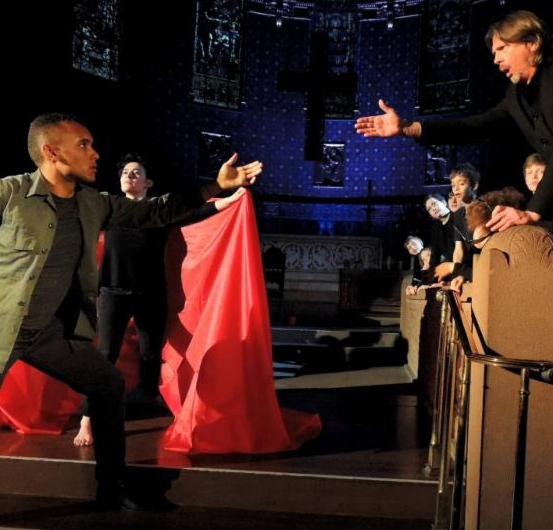
The fiery prophecies of Daniel, young captive in corrupt Babylon, ring forth again. This stunning, contemporary new production by Anne Azéma of the greatest musical play from the French Middle Ages involves lights, movement, urgent poetry, and a sterling cast including seasoned professionals, children, and Longy School of Music of Bard College students, to make 1310 happen again, in 2025. Our singers and musicians are supported by Peter Torpey’s deeply evocative lighting and special effects.
Program & Notes
Art Gallery of Ontario
Toronto, ON, Canada
Music of personal devotion from the early Renaissance, reflecting the spirituality of homes, family circles, and small chapels in an age of intense religious renewal. Prayers, songs, chants, including music for the Virgin, meditations on the cross, and astonishing reworkings of the day’s popular melodies to sacred texts by Josquin, Agricola, Compère, Senfl, Clemens non Papa, and others. Anne Azéma, Michael Barrett, Daniel Hershey, Joel Frederiksenvoices; Andrew Arceci, Shira Kammen, Carol Lewis, viola da gamba
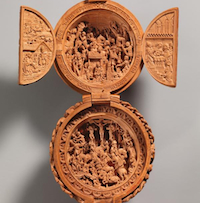
Music of personal devotion in the early Renaissance reflects the spirituality of homes and small chapels in an age of intense religious renewal. Prayers, songs, and chants accompany music for the Virgin, meditations on the cross, and astonishing reworkings of the day’s popular melodies set to sacred texts.
Anne Azéma, voice, hurdy gurdy
Michael Barrett, voice, lute
Daniel Hershey, voice
Joel Frederiksen, voice, lute
Andrew Arceci, viola da gamba
Shira Kammen, vielle, harp
Carol Lewis, viola da gamba
Genre: Renaissance
Music of personal devotion from the early Renaissance, reflecting the spirituality of homes, family circles, and small chapels in an age of intense religious renewal. Prayers, songs, chants, including music for the Virgin, meditations on the cross, and astonishing reworkings of the day’s popular melodies to sacred texts by Josquin, Agricola, Compère, Senfl, Clemens non Papa, and others. Anne Azéma, Michael Barrett, Daniel Hershey, Joel Frederiksen, voices; Andrew Arceci, Shira Kammen, Carol Lewis, viola da gamba.
Music of personal devotion in the early Renaissance reflects the spirituality of homes and small chapels in an age of intense religious renewal. Prayers, songs, and chants accompany music for the Virgin, meditations on the cross, and astonishing reworkings of the day’s popular melodies set to sacred texts.
Anne Azéma, voice, hurdy gurdy
Michael Barrett, voice, lute
Daniel Hershey, voice
Joel Frederiksen, voice, lute
Andrew Arceci, viola da gamba
Shira Kammen, vielle, harp
Carol Lewis, viola da gamba
Genre: Renaissance

In the European North, the forests are deep; the nights are dark and long. Perhaps this is why, in reaction, the early Christmas music of the German-speaking peoples is so intensely joyful, so profoundly rich. Our program explores the marvelous music of German Christmas festivity through chants and chorales, simple carols, grandiose polyphony, and instrumental fantasias of the 15th to early 17th centuries. This new program will feature the stellar Boston Camerata Wind Ensemble and an expanded consort of voices and early instruments.
Anne Azéma, Daniel Hershey, Camila Parias, Deborah Rentz-Moore, John Taylor Ward, voices; Brian Kay, Steven Lundahl, Liza Malamut, sackbuts; Nathaniel Cox, cornetto, theorbo; Carol Lewis, viola da gamba.

In the European North, the forests are deep; the nights are dark and long. Perhaps this is why, in reaction, the early Christmas music of the German-speaking peoples is so intensely joyful, so profoundly rich. Our program explores the marvelous music of German Christmas festivity through chants and chorales, simple carols, grandiose polyphony, and instrumental fantasias of the 15th to early 17th centuries.
In the European North, the forests are deep; the nights are dark and long. Perhaps this is why, in reaction, the early Christmas music of the German-speaking peoples is so intensely joyful, so profoundly rich. Our program explores the marvelous music of German Christmas festivity through chants and chorales, simple carols, grandiose polyphony, and instrumental fantasias of the 15th to early 17th centuries. This new program will feature the stellar Boston Camerata Wind Ensemble and an expanded consort of voices and early instruments.
Anne Azéma, Daniel Hershey, Camila Parias, Deborah Rentz-Moore, John Taylor Ward, voices; Brian Kay, Steven Lundahl, Liza Malamut, sackbuts; Nathaniel Cox, cornetto, theorbo; Carol Lewis, viola da gamba.
In the European North, the forests are deep; the nights are dark and long. Perhaps this is why, in reaction, the early Christmas music of the German-speaking peoples is so intensely joyful, so profoundly rich. Our program explores the marvelous music of German Christmas festivity through chants and chorales, simple carols, grandiose polyphony, and instrumental fantasias of the 15th to early 17th centuries.
A glimpse of Christmas spirituality from Medieval France, Italy, England, and Provence, including music of the church and songs of private devotion around the joyous theme of the Nativity. Included are songs to the Virgin Mary, processionals from Saint Martial of Limoges, hymns, lyrics, and miracle ballads sung in Latin, Old French, Old Provençal, and Saxon, interlaced with Medieval English texts of the Nativity. Our cast features an extraordinary trio of women’s voices with harp and vielle.
Presented by the Da Camera Society.

Anne Azéma (voice) and Shira Kammen (strings) are leaders in the field of medieval singing and accompaniment. Each has recorded prolifically and toured worldwide; together, they devote their enormous skill, insight, and fantasy to the magnificent repertoires of medieval France, Provence, and Spain. French-born Azéma brings authentic language skills, a crystalline voice, and a gift for theatre; Kammen brings virtuoso technique on vielle, rebec, and harp, as well as her famous flair, drive, and humor. This program has music by Anonymous, Gauthier de Coincy (1177/8-1236), Thibault de Champagne (1201-1253), in praise of the Queen of Heaven in the most elegant and subtle style; while anonymous minstrels transform the songs of the day into vigorous, toe-tapping spirituals, all in the service of the narration of the Christmas story.
Genres: Christmas, Medieval
A glimpse of Christmas spirituality from Medieval France, Italy, England, and Provence, including music of the church and songs of private devotion around the joyous theme of the Nativity. Included are songs to the Virgin Mary, processionals from Saint Martial of Limoges, hymns, lyrics, and miracle ballads sung in Latin, Old French, Old Provençal, and Saxon, interlaced with Medieval English texts of the Nativity. Our cast features an extraordinary trio of women’s voices with harp and vielle.
Presented by the Da Camera Society.
Anne Azéma (voice) and Shira Kammen (strings) are leaders in the field of medieval singing and accompaniment. Each has recorded prolifically and toured worldwide; together, they devote their enormous skill, insight, and fantasy to the magnificent repertoires of medieval France, Provence, and Spain. French-born Azéma brings authentic language skills, a crystalline voice, and a gift for theatre; Kammen brings virtuoso technique on vielle, rebec, and harp, as well as her famous flair, drive, and humor. This program has music by Anonymous, Gauthier de Coincy (1177/8-1236), Thibault de Champagne (1201-1253), in praise of the Queen of Heaven in the most elegant and subtle style; while anonymous minstrels transform the songs of the day into vigorous, toe-tapping spirituals, all in the service of the narration of the Christmas story.
Genres: Christmas, Medieval
A glimpse of Christmas spirituality from Medieval France, Italy, England, and Provence, including music of the church and songs of private devotion around the joyous theme of the Nativity. Included are songs to the Virgin Mary, processionals from Saint Martial of Limoges, hymns, lyrics, and miracle ballads sung in Latin, Old French, Old Provençal, and Saxon, interlaced with Medieval English texts of the Nativity. Our cast features an extraordinary trio of women’s voices with harp and vielle.
Presented by San Diego Early Music Society.
Anne Azéma (voice) and Shira Kammen (strings) are leaders in the field of medieval singing and accompaniment. Each has recorded prolifically and toured worldwide; together, they devote their enormous skill, insight, and fantasy to the magnificent repertoires of medieval France, Provence, and Spain. French-born Azéma brings authentic language skills, a crystalline voice, and a gift for theatre; Kammen brings virtuoso technique on vielle, rebec, and harp, as well as her famous flair, drive, and humor. This program has music by Anonymous, Gauthier de Coincy (1177/8-1236), Thibault de Champagne (1201-1253), in praise of the Queen of Heaven in the most elegant and subtle style; while anonymous minstrels transform the songs of the day into vigorous, toe-tapping spirituals, all in the service of the narration of the Christmas story.
Genres: Christmas, Medieval
Anne Azéma, Artistic Director, will surprise visitors to the Isabella Stewart Gardner Museum with impromptu renditions of vocal music from Dante’s time, including songs the great poet himself might have heard in the palaces of fourteenth-century Florence.

Shortly before an important American election, this new program of songs and poems from the Middle Ages evokes the age-old themes of justice and corruption in the public sphere. Minstrel songs from medieval France, Provençe, and Germany, amazingly contemporary in their language, provide an amusing and sharply-etched perspective on our current travails. Includes pungent selections from the Play of Daniel, Carmina Burana, and Roman de Fauvel; works by gifted musican-poets Philippe le Chancelier, Bertran de Born, and Thibault de Champagne; and a very American ending.
Anne Azéma, director, voice, hurdy-gurdy; Jordan Weatherston Pitts voice; Christa Patton, winds, harp; Shira Kammen, vielle, harp; Joel Cohen, narrator, lauta; with young professionals from the Longy School of Music of Bard College.
 City of Fools
 explores age-old themes of justice and corruption as told through ancient minstrel songs. Satirical works from medieval France, Provence, and Germany provide a sharply-etched and astonishingly contemporary perspective on our own nation’s current travails.
Be prepared for a surprise or two along the way!
shares Camerata Artistic Director Anne Azéma. The concert will include songs of the great Provençal troubadour and satirist Peire Cardenal, as well as pungent excerpts from
Carmina Burana and the
Roman de Fauvel.
Want to get a sense for the music? Listen to “Rex beatus” on
Spotify.
Program & Notes
Igreja da Sé
São Luis, Brazil
The Camerata presents our beloved interfaith program “The Sacred Bridge” at the Festival de Música Barroca de Alcântara. Experience the connections of Jewish, Muslim, and Christian music and spirituality of medieval Europe.
Anne Azéma, voice, director; Joel Cohen, lauta, voice; Boujemaa Razgui, ney, oud, voice.

Back by popular demand! An interfaith celebration unlike any other. Discover with us the common musical roots of Judaism, Islam, and Christianity, and the astonishing and beautiful interactions among these traditions. Our program includes elements of Jewish liturgy, Gregorian and Koranic chant, songs and texts of Jewish minstrels, Sephardic folksong, medieval Spanish Cantigas, and Judaeo-Islamic music from the ancient Andalusian tradition.
Igreja do Carmo
Alcântara, Brazil
The Camerata presents our beloved interfaith program “The Sacred Bridge” at the Festival de Música Barroca de Alcântara. Experience the connections of Jewish, Muslim, and Christian music and spirituality of medieval Europe.
Anne Azéma, voice, director; Joel Cohen, lauta, voice; Boujemaa Razgui, ney, oud, voice.
Back by popular demand! An interfaith celebration unlike any other. Discover with us the common musical roots of Judaism, Islam, and Christianity, and the astonishing and beautiful interactions among these traditions. Our program includes elements of Jewish liturgy, Gregorian and Koranic chant, songs and texts of Jewish minstrels, Sephardic folksong, medieval Spanish Cantigas, and Judaeo-Islamic music from the ancient Andalusian tradition.
Alcantara Historical Museum
Alcântara, Brazil
The Camerata presents our beloved interfaith program “The Sacred Bridge” at the Festival de Música Barroca de Alcântara. Experience the connections of Jewish, Muslim, and Christian music and spirituality of medieval Europe.
Anne Azéma, voice, director; Joel Cohen, lauta, voice; Boujemaa Razgui, ney, oud, voice.
Back by popular demand! An interfaith celebration unlike any other. Discover with us the common musical roots of Judaism, Islam, and Christianity, and the astonishing and beautiful interactions among these traditions. Our program includes elements of Jewish liturgy, Gregorian and Koranic chant, songs and texts of Jewish minstrels, Sephardic folksong, medieval Spanish Cantigas, and Judaeo-Islamic music from the ancient Andalusian tradition.
Camerata’s pioneering exploration of folk hymnody in the young Republic includes spiritual songs, hymns, and anthems in a vigorous and authentic homegrown manner. This style, recalling many elements of European early music, grew up in the singing schools of colonial New England, travelled South and West in the 19th century, and continues to live on thanks to a new generation of motivated singers in all parts of the country. This collaboration with the newly-renovated Cathedral Church of St. Paul includes singers from local parish choirs.

Camerata’s pioneering exploration of folk hymnody in the young Republic includes spiritual songs, hymns, and anthems in a vigorous and authentic homegrown manner. This style, recalling many elements of European early music, grew up in the singing schools of colonial New England, travelled South and West in the 19th century, and continues to live on thanks to a new generation of motivated singers in all parts of the country.
Genre: American
Another astonishing music-theater production by Artistic Director Anne Azéma. Based on an authentic, colorful narrative of festivity, tournaments, and love games in a medieval French castle, our performance captures the day’s celebrations through song and gesture. Daylight is the domain of men, who joust and fight in ritual encounters, as the women shout encouragement; when night falls, the women converse in music and dance, far from the masculine violence of the daytime. Mutual longing aroused during the day culminates in the evening’s rites, as the sexes come together in courtship, both playful and passionate. Camerata’s musicians are joined by graduate students from the Longy School of Music of Bard College in this beautiful and intense evocation of medieval desire.
Produced in partnership with Longy School of Music of Bard College.
 Le Tournoi de Chauvency
, written circa 1285 by the French poet Jacques Bretel, is a narration of a courtly celebration in the Lorraine region of France, and the inspiration for
“The Night’s Tale”. Our performance evokes a day’s festivities at the chateau of Chauvency. Daylight is the domain of men, who joust and fight in ritual encounters; when night falls, women converse in music and dance, far from the masculine violence of the daytime. Mutual desire aroused during the day culminates in the evening’s rites — aggressive and courtly, passionate and playful.
Another astonishing music-theater production by Artistic Director Anne Azéma. Based on an authentic, colorful narrative of festivity, tournaments, and love games in a medieval French castle, our performance captures the day’s celebrations through song and gesture. Daylight is the domain of men, who joust and fight in ritual encounters, as the women shout encouragement; when night falls, the women converse in music and dance, far from the masculine violence of the daytime. Mutual longing aroused during the day culminates in the evening’s rites, as the sexes come together in courtship, both playful and passionate. Camerata’s musicians are joined by graduate students from the Longy School of Music of Bard College in this beautiful and intense evocation of medieval desire.
Produced in partnership with Longy School of Music of Bard College.
Pre-concert lecture April 16 at 7pm – Nancy Regalado (NYU). Wolfinsohn Room.
Le Tournoi de Chauvency, written circa 1285 by the French poet Jacques Bretel, is a narration of a courtly celebration in the Lorraine region of France, and the inspiration for
“The Night’s Tale”. Our performance evokes a day’s festivities at the chateau of Chauvency. Daylight is the domain of men, who joust and fight in ritual encounters; when night falls, women converse in music and dance, far from the masculine violence of the daytime. Mutual desire aroused during the day culminates in the evening’s rites — aggressive and courtly, passionate and playful.
The Christmas narrative retold using songs, chants, and instrumental pieces from the countries of the Mediterranean basin: Spain, Italy, and southern France, as well as north Africa and the Holy Land. Works are drawn from medieval manuscripts and more recent, though still archaic, folklore and oral traditions. With voices, early instruments of Europe and the Middle East, and readings of the Christmas story. Camerata is joined by SHARQ Arabic Ensemble.
Anne Azéma – voice, hurdy-gurdy & director
Camila Parias – voice
Deborah Rentz-Moore – voice
Steven Lundahl – brass, recorder
Karim Nagi – percussion, voice
Boujemaa Ragui – oud, ney, voice, percussion
Mehmet Sanlikol – voice, oud
Beth Bahia Cohen – vielle
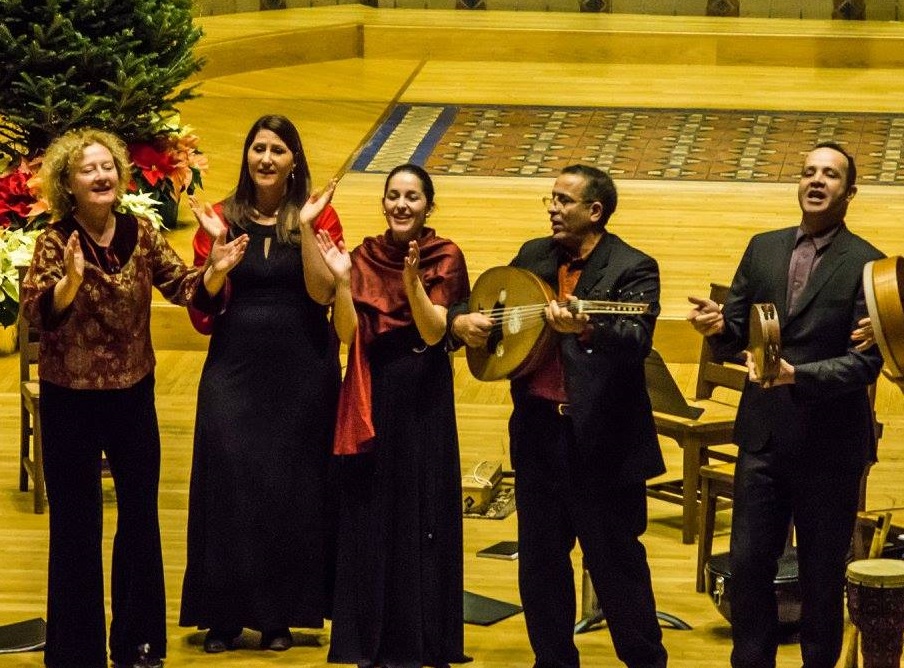
The Christmas narrative retold using songs, chants, and instrumental pieces from the countries of the Mediterranean basin: Spain, Italy, and southern France, as well as north Africa and the Holy Land. Works are drawn from medieval manuscripts and more recent, though still archaic, folklore and oral traditions. With voices, early instruments of Europe and the Middle East, and readings of the Christmas story. We are joined by SHARQ Arabic Ensemble.
The Christmas narrative retold using songs, chants, and instrumental pieces from the countries of the Mediterranean basin: Spain, Italy, and southern France, as well as north Africa and the Holy Land. Works are drawn from medieval manuscripts and more recent, though still archaic, folklore and oral traditions. With voices, early instruments of Europe and the Middle East, and readings of the Christmas story. Camerata is joined by SHARQ Arabic Ensemble.
Anne Azéma – voice, hurdy-gurdy & director
Camila Parias – voice
Deborah Rentz-Moore – voice
Steven Lundahl – brass, recorder
Karim Nagi – percussion, voice
Boujemaa Ragui – oud, ney, voice, percussion
Mehmet Sanlikol – voice, oud
Beth Bahia Cohen – vielle
The Christmas narrative retold using songs, chants, and instrumental pieces from the countries of the Mediterranean basin: Spain, Italy, and southern France, as well as north Africa and the Holy Land. Works are drawn from medieval manuscripts and more recent, though still archaic, folklore and oral traditions. With voices, early instruments of Europe and the Middle East, and readings of the Christmas story. We are joined by SHARQ Arabic Ensemble.
The Christmas narrative retold using songs, chants, and instrumental pieces from the countries of the Mediterranean basin: Spain, Italy, and southern France, as well as north Africa and the Holy Land. Works are drawn from medieval manuscripts and more recent, though still archaic, folklore and oral traditions. With voices, early instruments of Europe and the Middle East, and readings of the Christmas story. Camerata is joined by SHARQ Arabic Ensemble.
Anne Azéma – voice, hurdy-gurdy & director
Camila Parias – voice
Deborah Rentz-Moore – voice
Steven Lundahl – brass, recorder
Karim Nagi – percussion, voice
Boujemaa Ragui – oud, ney, voice, percussion
Mehmet Sanlikol – voice, oud
Beth Bahia Cohen – vielle
The Christmas narrative retold using songs, chants, and instrumental pieces from the countries of the Mediterranean basin: Spain, Italy, and southern France, as well as north Africa and the Holy Land. Works are drawn from medieval manuscripts and more recent, though still archaic, folklore and oral traditions. With voices, early instruments of Europe and the Middle East, and readings of the Christmas story. We are joined by SHARQ Arabic Ensemble.
The Christmas narrative retold using songs, chants, and instrumental pieces from the countries of the Mediterranean basin: Spain, Italy, and southern France, as well as north Africa and the Holy Land. Works are drawn from medieval manuscripts and more recent, though still archaic, folklore and oral traditions. With voices, early instruments of Europe and the Middle East, and readings of the Christmas story. Camerata is joined by SHARQ Arabic Ensemble.
Anne Azéma – voice, hurdy-gurdy & director
Camila Parias – voice
Deborah Rentz-Moore – voice
Steven Lundahl – brass, recorder
Karim Nagi – percussion, voice
Boujemaa Ragui – oud, ney, voice, percussion
Mehmet Sanlikol – voice, oud
Beth Bahia Cohen – vielle
The Christmas narrative retold using songs, chants, and instrumental pieces from the countries of the Mediterranean basin: Spain, Italy, and southern France, as well as north Africa and the Holy Land. Works are drawn from medieval manuscripts and more recent, though still archaic, folklore and oral traditions. With voices, early instruments of Europe and the Middle East, and readings of the Christmas story. We are joined by SHARQ Arabic Ensemble.
Latin American Baroque music at its best! This program calls attention to “the meeting places of light and beauty that did indeed exist in those terrible, hard centuries”–the Age of Exploration in the New World. Here we show the fruitful intercultural exchanges that transpired between indigenous American cultures, the Spanish, and the Africans, and indeed, this is beautiful music. Lively and driven at times by the sunny strumming of the baroque guitar and the maracas, tambourine, and claves, at other times stately with the grandeur of voices with organ. The Camerata is joined by the Trinity Choristers, Boston City Singers, and the Haitian women’s choir Les Fleurs des Caraïbes.
Latin American Baroque music at its best! This program calls attention to “the meeting places of light and beauty that did indeed exist in those terrible, hard centuries”–the Age of Exploration in the New World. Here we show the fruitful intercultural exchanges that transpired between indigenous American cultures, the Spanish, and the Africans, and indeed, this is beautiful music. Lively and driven at times by the sunny strumming of the baroque guitar and the maracas, tambourine, and claves, at other times stately with the grandeur of voices with organ.
Latin American Baroque music at its best! This program calls attention to “the meeting places of light and beauty that did indeed exist in those terrible, hard centuries”–the Age of Exploration in the New World. Here we show the fruitful intercultural exchanges that transpired between indigenous American cultures, the Spanish, and the Africans, and indeed, this is beautiful music. Lively and driven at times by the sunny strumming of the baroque guitar and the maracas, tambourine, and claves, at other times stately with the grandeur of voices with organ. The Camerata is joined by the Trinity Choristers, Boston City Singers, and the Haitian women’s choir Les Fleurs des Caraïbes.
Latin American Baroque music at its best! This program calls attention to “the meeting places of light and beauty that did indeed exist in those terrible, hard centuries”–the Age of Exploration in the New World. Here we show the fruitful intercultural exchanges that transpired between indigenous American cultures, the Spanish, and the Africans, and indeed, this is beautiful music. Lively and driven at times by the sunny strumming of the baroque guitar and the maracas, tambourine, and claves, at other times stately with the grandeur of voices with organ.
Boston Athenaeum
Boston
Who are our heroes? How did they go to battle and with what songs? Whose side were they on?
A medley of early American music featuring a portrait gallery of eminent Americans, but also high spirited celebrations, of the new nation, and around the quintessential American themes of freedom and independence. This program constitutes a chapter in the Boston 2015 celebrations of the Marquis de Lafayette and the historic return of his rebuilt 18th century “freedom frigate”, the Hermione.
Drawing on original print and manuscript sources, we will include songs in celebration of Lafayette’s friends and associates, Washington and Jefferson, as well as both American and French compositions reflecting the social and political climate of the turbulent years 1775-1830. Liberty, martial glory, loyalty, and a healthy dose of satire and irreverence are all present in the lively ballads and broadsides of that crucial time.
Anne Azéma (director), Camila Parias, Deborah Rentz-Moore, Daniel Hershey, and John Taylor Ward, voices, are joined by Sarah Darling, violin and
Libor Dudas, fortepiano.
Who are our heroes? How did they go to battle and with what songs? Whose side were they on?
A medley of early American music featuring a portrait gallery of eminent Americans, but also high spirited celebrations, of the new nation, and around the quintessential American themes of freedom and independence. This program constitutes a chapter in the Boston 2015 celebrations of the Marquis de Lafayette and the historic return of his rebuilt 18th century “freedom frigate”, the Hermione.
Drawing on original print and manuscript sources, we will include songs in celebration of Lafayette’s friends and associates, Washington and Jefferson, as well as both American and French compositions reflecting the social and political climate of the turbulent years 1775-1830. Liberty, martial glory, loyalty, and a healthy dose of satire and irreverence are all present in the lively ballads and broadsides of that crucial time.
Drawing on the original 13th-century manuscript, The Boston Camerata’s Carmina Burana presents a panoramic portrait of student and clerical life in medieval Europe: paeans to the Goddess Fortune, funny and ferocious critiques of Church and State, earnest meditations on truth and righteousness, and a generous serving of songs about drinking, gambling and amorous adventure. With its usual verve and vivacity, the Camerata gives a deepened, in turn exuberant and contemplative reading of this manuscript, under the direction of vocalist Anne Azéma. Our stellar cast (Anne Azéma, Daniel Hershey, Don Wilkinson, voice; Shira Kammen, strings) is joined by students from the Festival’s apprentice program.

Drawing on the original 13th-century manuscript, The Boston Camerata’s Carmina Burana presents a panoramic portrait of student and clerical life in medieval Europe: paeans to the Goddess Fortune, funny and ferocious critiques of Church and State, earnest meditations on truth and righteousness, and a generous serving of songs about drinking, gambling and amorous adventure. With its usual verve and vivacity, the Camerata gives a deepened, in turn exuberant and contemplative reading of this manuscript, under the direction of vocalist Anne Azéma.
As a prelude to Carl Orff’s extravagant Carmina Burana, Boston Camerata presents a vivacious portrait of student and clerical life in medieval Europe.
As a prelude to Carl Orff’s extravagant Carmina Burana, Boston Camerata presents a vivacious portrait of student and clerical life in medieval Europe. This joint concert with the Cape Symphony features Anne Azéma, Joel Cohen, Dan Hershey and Taylor Ward.
As a prelude to Carl Orff’s extravagant Carmina Burana, Boston Camerata presents a vivacious portrait of student and clerical life in medieval Europe.
Drawing on the original 13th-century manuscript, The Boston Camerata’s Carmina Burana presents a panoramic portrait of student and clerical life in medieval Europe: paeans to the Goddess Fortune, funny and ferocious critiques of Church and State, earnest meditations on truth and righteousness, and a generous serving of songs about drinking, gambling and amorous adventure. With its usual verve and vivacity, the Camerata gives a deepened, in turn exuberant and contemplative reading of this manuscript, under the direction of vocalist Anne Azéma.
Drawing on the original 13th-century manuscript, The Boston Camerata’s Carmina Burana presents a panoramic portrait of student and clerical life in medieval Europe: paeans to the Goddess Fortune, funny and ferocious critiques of Church and State, earnest meditations on truth and righteousness, and a generous serving of songs about drinking, gambling and amorous adventure. With its usual verve and vivacity, the Camerata gives a deepened, in turn exuberant and contemplative reading of this manuscript, under the direction of vocalist Anne Azéma. Our stellar cast (Anne Azéma, Joel Frederiksen, Tim Evans, voice; Shira Kammen and Susanne Ansorg, strings) will be assisted by a conservatory student choir from Paris.
Drawing on the original 13th-century manuscript, The Boston Camerata’s Carmina Burana presents a panoramic portrait of student and clerical life in medieval Europe: paeans to the Goddess Fortune, funny and ferocious critiques of Church and State, earnest meditations on truth and righteousness, and a generous serving of songs about drinking, gambling and amorous adventure. With its usual verve and vivacity, the Camerata gives a deepened, in turn exuberant and contemplative reading of this manuscript, under the direction of vocalist Anne Azéma.
Concert runtime: 1 hour 45 min
Back by popular demand! An interfaith celebration unlike any other. Discover with us the common musical roots of Judaism, Islam, and Christianity, and the astonishing and beautiful interactions among these traditions. Our program includes elements of Jewish liturgy, Gregorian and Koranic chant, songs and texts of Jewish minstrels, Sephardic folksong, medieval Spanish Cantigas, and Judaeo-Islamic music from the ancient Andalusian tradition.
Back by popular demand! An interfaith celebration unlike any other. Discover with us the common musical roots of Judaism, Islam, and Christianity, and the astonishing and beautiful interactions among these traditions. Our program includes elements of Jewish liturgy, Gregorian and Koranic chant, songs and texts of Jewish minstrels, Sephardic folksong, medieval Spanish Cantigas, and Judaeo-Islamic music from the ancient Andalusian tradition. The Boston Camerata is joined by Sharq Arabic Music Ensemble.
Concert runtime 1 hour 45 min
Back by popular demand! An interfaith celebration unlike any other. Discover with us the common musical roots of Judaism, Islam, and Christianity, and the astonishing and beautiful interactions among these traditions. Our program includes elements of Jewish liturgy, Gregorian and Koranic chant, songs and texts of Jewish minstrels, Sephardic folksong, medieval Spanish Cantigas, and Judaeo-Islamic music from the ancient Andalusian tradition.
MIT Walker Memorial Hall
Cambridge, MA
The constantly evolving and inventive musical minds of Italian and French masters during the fourteenth century has left us with repertoires, both sacred and secular, that successfully unite the search for new and different creative paths with astonishing lyricism and sensual beauty. In this specially commissioned program for the Massachusetts Institute of Technology, you will hear music spanning the worlds of God and Man, by the greatest composers of their day: Machaut, Landini, da Bologna, and others, performed by Camerata’s virtuoso soloists and instrumentalists.
The constantly evolving and inventive musical minds of Italian and French masters during the fourteenth century has left us with repertoires, both sacred and secular, that successfully unite the search for new and different creative paths with astonishing lyricism and sensual beauty. In this specially commissioned program for the Massachusetts Institute of Technology, you will hear music spanning the worlds of God and Man, by the greatest composers of their day: Machaut, Landini, da Bologna, and others, performed by Camerata’s virtuoso soloists and instrumentalists.
Sold Out!
Close to Reims, the regions of Champagne, Picardy, and Lorraine brought forth an abundant harvest of song in French, both secular and sacred. The subject of “Heaven’s Gate” is the magnificent repertoire, composed in both the courtly and popularizing manners, in praise of the Virgin Mary. Noble songs in the refined trouvère style, narrations in word and song, and dance music with sacred texts, are all included in this production. The prior of Vic-sur-Aisne, Gauthier de Coincy (1177/8-1236), a passionate and prolix musician-poet, recounts the miracles of the Virgin that took place in his parish; Thibault de Champagne (1201-1253), count of Champagne and king of Navarra, praises the Queen of Heaven in the most elegant and subtle style; while anonymous minstrels transform the worldly songs of the day into vigorous, toe-tapping spirituals.
Sold Out!
Close to Reims, the regions of Champagne, Picardy, and Lorraine brought forth an abundant harvest of song in French, both secular and sacred. The subject of “Heaven’s Gate” is the magnificent repertoire, composed in both the courtly and popularizing manners, in praise of the Virgin Mary. Noble songs in the refined trouvère style, narrations in word and song, and dance music with sacred texts, are all included in this production. The prior of Vic-sur-Aisne, Gauthier de Coincy (1177/8-1236), a passionate and prolix musician-poet, recounts the miracles of the Virgin that took place in his parish; Thibault de Champagne (1201-1253), count of Champagne and king of Navarra, praises the Queen of Heaven in the most elegant and subtle style; while anonymous minstrels transform the worldly songs of the day into vigorous, toe-tapping spirituals.
Close to Reims, the regions of Champagne, Picardy, and Lorraine brought forth an abundant harvest of song in French, both secular and sacred. The subject of “Heaven’s Gate” is the magnificent repertoire, composed in both the courtly and popularizing manners, in praise of the Virgin Mary. Noble songs in the refined trouvère style, narrations in word and song, and dance music with sacred texts, are all included in this production. The prior of Vic-sur-Aisne, Gauthier de Coincy (1177/8-1236), a passionate and prolix musician-poet, recounts the miracles of the Virgin that took place in his parish; Thibault de Champagne (1201-1253), count of Champagne and king of Navarra, praises the Queen of Heaven in the most elegant and subtle style; while anonymous minstrels transform the worldly songs of the day into vigorous, toe-tapping spirituals.
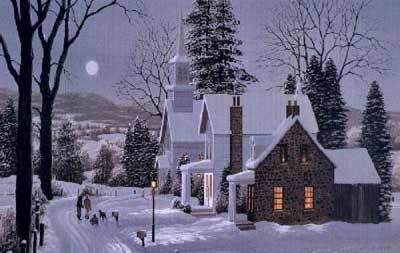
From the early years of the American republic, and from a wide range of early tune books and manuscripts, a generous selection of carols, New England anthems, Southern folk hymns and religious ballads for the season.
Genres: American, Christmas
From the early years of the American republic, and from a wide range of early tune books and manuscripts, a generous selection of carols, New England anthems, Southern folk hymns and religious ballads for the season.
Genres: American, Christmas
From the early years of the American republic, and from a wide range of early tune books and manuscripts, a generous selection of carols, New England anthems, Southern folk hymns and religious ballads for the season.
Genres: American, Christmas
From the early years of the American republic, and from a wide range of early tune books and manuscripts, a generous selection of carols, New England anthems, Southern folk hymns and religious ballads for the season.
Genres: American, Christmas
First Presbyterian Church
Asheville, NC
To celebrate our 60th Anniversary, our Christmas program features music from our very own tradition. From the early years of the American republic, and from a wide range of early tune books and manuscripts, a generous selection of carols, New England anthems, Southern folk hymns and religious ballads for the season.
From the early years of the American republic, and from a wide range of early tune books and manuscripts, a generous selection of carols, New England anthems, Southern folk hymns and religious ballads for the season.
Genres: American, Christmas
Eglise Saint Pierre Le Jeune Protestant
Strasbourg, France
Anne Azéma (voice) and Shira Kammen (strings) are leaders in the field of medieval singing and accompaniment. Each has recorded prolifically and toured worldwide; together, they devote their enormous skill, insight, and fantasy to the magnificent repertoires of medieval France, Provence, and Spain. French-born Azéma brings authentic language skills, a crystalline voice, and a gift for theatre; Kammen brings virtuoso technique on vielle, rebec, and harp, as well as her famous flair, drive, and humor. This program has music by Anonymous, Gauthier de Coincy (1177/8-1236), Thibault de Champagne (1201-1253), in praise of the Queen of Heaven in the most elegant and subtle style; while anonymous minstrels transform the songs of the day into vigorous, toe-tapping spirituals, all in the service of the narration of the Christmas story.
Genres: Christmas, Medieval
Église Sainte Croix
Grussenheim, France
Anne Azéma (voice) and Shira Kammen (strings) are leaders in the field of medieval singing and accompaniment. Each has recorded prolifically and toured worldwide; together, they devote their enormous skill, insight, and fantasy to the magnificent repertoires of medieval France, Provence, and Spain. French-born Azéma brings authentic language skills, a crystalline voice, and a gift for theatre; Kammen brings virtuoso technique on vielle, rebec, and harp, as well as her famous flair, drive, and humor. This program has music by Anonymous, Gauthier de Coincy (1177/8-1236), Thibault de Champagne (1201-1253), in praise of the Queen of Heaven in the most elegant and subtle style; while anonymous minstrels transform the songs of the day into vigorous, toe-tapping spirituals, all in the service of the narration of the Christmas story.
Genres: Christmas, Medieval
Eglise Protestante
Haguenau, France
Camerata’s chamber music version of this, our best-known holiday program, features three angelic women’s voices and instrumentalists. Our performance presents magnificent medieval song and poetry from the mid-winter celebration of Christ’s nativity, with a look as well at the pagan celebrations of winter solstice. Countries represented include France, England, Italy, Provence, and Germany. This production will include also a distaff choir from Mission Voix Alsace.
Anne Azéma (voice) and Shira Kammen (strings) are leaders in the field of medieval singing and accompaniment. Each has recorded prolifically and toured worldwide; together, they devote their enormous skill, insight, and fantasy to the magnificent repertoires of medieval France, Provence, and Spain. French-born Azéma brings authentic language skills, a crystalline voice, and a gift for theatre; Kammen brings virtuoso technique on vielle, rebec, and harp, as well as her famous flair, drive, and humor. This program has music by Anonymous, Gauthier de Coincy (1177/8-1236), Thibault de Champagne (1201-1253), in praise of the Queen of Heaven in the most elegant and subtle style; while anonymous minstrels transform the songs of the day into vigorous, toe-tapping spirituals, all in the service of the narration of the Christmas story.
Genres: Christmas, Medieval
The prophecies, tribulations, and triumph of the young Biblical hero Daniel, as retold in music from medieval Beauvais. Probably the most powerful and musically evocative of all the medieval mystery plays, in a splendid new production conceived by Anne Azéma. A translation of the play can be
viewed here and
downloaded here.
The fiery prophecies of Daniel, young captive in corrupt Babylon, ring forth again. This stunning, contemporary new production by Anne Azéma of the greatest musical play from the French Middle Ages involves lights, movement, urgent poetry, and a sterling cast including seasoned professionals, children, and Longy School of Music of Bard College students, to make 1310 happen again, in 2025. Our singers and musicians are supported by Peter Torpey’s deeply evocative lighting and special effects.
Program & Notes
The prophecies, tribulations, and triumph of the young Biblical hero Daniel, as retold in music from medieval Beauvais. Probably the most powerful and musically evocative of all the medieval mystery plays, in a splendid new production conceived by Anne Azéma. A translation of the play can be
viewed here and
downloaded here.
The fiery prophecies of Daniel, young captive in corrupt Babylon, ring forth again. This stunning, contemporary new production by Anne Azéma of the greatest musical play from the French Middle Ages involves lights, movement, urgent poetry, and a sterling cast including seasoned professionals, children, and Longy School of Music of Bard College students, to make 1310 happen again, in 2025. Our singers and musicians are supported by Peter Torpey’s deeply evocative lighting and special effects.
Program & Notes

 Joel Cohen, Camerata Music Director Emeritus, died on July 26, 2026. A charismatic leader, he directed the Camerata from 1963 to 2008.
Join us for a gathering in music in his honor.
Joel Cohen, Camerata Music Director Emeritus, died on July 26, 2026. A charismatic leader, he directed the Camerata from 1963 to 2008.
Join us for a gathering in music in his honor. 



 For a group of 30 music and books lovers who will enjoy an entertaining & informative presentation of miniature books related to the music performed by The Boston Camerata, as well as a performance by Camerata’s Artistic Director, Anne Azéma, inspired by the richness of Bromer’s collection.
  John Dowland: The most eminent lutenist of his age, a composer of unforgettable melodies, and arguably the most famous English-musician of the day, with music known and loved by people of all social classes and callings. After a long hiatus, enriched by other musical discoveries, The Boston Camerata is eager to return to Dowland’s compelling repertoire. Most especially this year, as 2026 marks the 400th anniversary of his death. Dowland’s compositions are precious jewels. In a few measures, these pieces, deceptively accessible and simple, unlock worlds of beauty and of tender emotion without pair.
 Full of joy and delightful discovery, this holiday program revisits Camerata’s most popular Christmas offering. It features songs, hymns, New England anthems, and carols from the early years of the American republic. Drawn from a wide range of early tune books and manuscripts, this magnificent Christmas repertoire, our very own, is performed by an ensemble of superb vocal soloists and instrumentalists, under the direction of Anne Azéma.

 Der Garten von Guillaume de Lorris (The Garden of Guillaume de Lorris)
 An intimate selection of music from c. 1610, inspired by Robert Dowland’s publication “A Musicall Banquet”.
 In collaboration with the
  The Boston Camerata’s pioneering programs of early American music have brought pleasure to thousands of music lovers, and have helped to clarify and define our country’s rich and diverse cultural identity. It traces migratory currents and flows of early American song, largely spiritual but also secular. Among the various communities participating in this rich American mosaic we encounter the Puritans of New England, the Shakers and their visionary monodies, Amish and Mennonites of Pennsylvania, and the newly-freed African-American religious communities. The musical sources of this program are drawn from European and New World oral traditions, hymns, psalms and chants in English, German dialects, early songbooks of Black churches, as well as gems from the still largely unpublished Shaker manuscript archive at Sabbathday Lake, ME.
  Songs and stories of powerful Kings, both good and bad, abound in the Middle Ages. “May he reign forever!” sings the crowd, but the monarch’s power is limited: by his fallible judgement, his formidable adversaries, his love of power, and his own, precarious mortality. These ancient songs, in Latin, German, Galician, Old English, and French, of kingship and its snares resonate strongly down the centuries, into our own, turbulent time.
Preview our program at the 2025 Boston Early Music Festival with this
Songs and stories of powerful Kings, both good and bad, abound in the Middle Ages. “May he reign forever!” sings the crowd, but the monarch’s power is limited: by his fallible judgement, his formidable adversaries, his love of power, and his own, precarious mortality. These ancient songs, in Latin, German, Galician, Old English, and French, of kingship and its snares resonate strongly down the centuries, into our own, turbulent time.
Preview our program at the 2025 Boston Early Music Festival with this 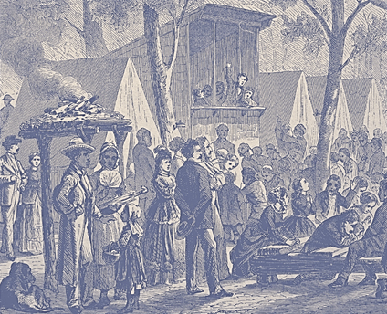 ““[We’ll Be There] was beautiful and vibrant to hear.. exciting and revealing.” – New York Classical Review, 2022
 In the European North, the forests are deep; the nights are dark and long. Perhaps this is why, in reaction, the early Christmas music of the German-speaking peoples is so intensely joyful and profoundly rich. Our program explores the marvelous music of German Christmas festivity through chants and chorales, simple carols, grandiose polyphony, and instrumental fantasias of the 15th to early 17th centuries.
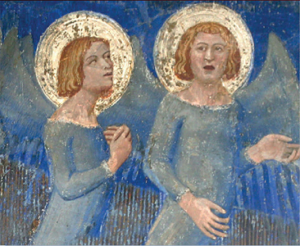 Experience our recent Harmonia Mundi CD release live and in-person! Transcendent Christmas music, featuring a superb all-female ensemble of voices and instruments.
The sounds of Christmas spirituality from Medieval France, Italy, England, and Provence, including music of the church and songs of private devotion around the joyous theme of the Nativity. Included are songs to the Virgin Mary, processionals from Saint Martial of Limoges, hymns, lyrics, and miracle ballads sung in Latin, Old French, Old Provençal, and Saxon, interlaced with Medieval English texts of the Nativity.
Experience our recent Harmonia Mundi CD release live and in-person! Transcendent Christmas music, featuring a superb all-female ensemble of voices and instruments.
The sounds of Christmas spirituality from Medieval France, Italy, England, and Provence, including music of the church and songs of private devotion around the joyous theme of the Nativity. Included are songs to the Virgin Mary, processionals from Saint Martial of Limoges, hymns, lyrics, and miracle ballads sung in Latin, Old French, Old Provençal, and Saxon, interlaced with Medieval English texts of the Nativity.
 Camerata, born at the Museum of Fine Arts in 1954, joins again with our mother institution to celebrate a milestone anniversary. Our superb singers and instrumentalists will re-create some of those first, pioneering Museum performances, echo in live music some of the visual treasures of the Museum collections, and showcase some of our present-day adventures in sound.
 This program will explore the connection between earthly and celestial forces as expressed in some distinct, compelling visions. Wind player and composer Mara Winter will lead Camerata through musings on humankind’s relationship to the universe, the mystery of creation, and the magic of the natural world, sung in all three of medieval Britain’s literary languages: Latin, English and French.
The essential role of instruments in the musical fabric of medieval Britain will also featured, with originally composed instrumental monophony performed in the high medieval style, blending playfully from traditional forms of instrumental music that survive today in the British Isles.“We will travel in an arc through each of these visions and allegory to contemplate the role which the natural world plays in representing the celestial spheres at play on Earth, the moving and unmoving spheres of the cosmos” says Mara.
An exciting chance to see the wonderful work of our close team under a new guest leadership!
This program will explore the connection between earthly and celestial forces as expressed in some distinct, compelling visions. Wind player and composer Mara Winter will lead Camerata through musings on humankind’s relationship to the universe, the mystery of creation, and the magic of the natural world, sung in all three of medieval Britain’s literary languages: Latin, English and French.
The essential role of instruments in the musical fabric of medieval Britain will also featured, with originally composed instrumental monophony performed in the high medieval style, blending playfully from traditional forms of instrumental music that survive today in the British Isles.“We will travel in an arc through each of these visions and allegory to contemplate the role which the natural world plays in representing the celestial spheres at play on Earth, the moving and unmoving spheres of the cosmos” says Mara.
An exciting chance to see the wonderful work of our close team under a new guest leadership!

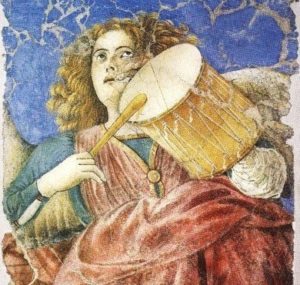 A joyful celebration of the season, with virtuoso voices and instruments performing magnificent Italian works of the Renaissance and early Baroque. Music ranging from intimate simplicity to sumptuous splendor including sacred songs of devotion, instrumental fantasias, and resplendent choral masterpieces of Venice’s Golden Age. Music of Monteverdi, Gabrieli, Cipriano, Marenzio and many more performed by voices, cornetto, viola da gamba, harp, brass and organ. Not be missed!
 A cornucopia of French Christmas music for voices, viols, harp and organ. Serene liturgies from the Burgundian court mingle with late Renaissance and early Baroque carols and dances. A candlelit performance of Charpentier’s beloved Messe de Minuit is the centerpiece of our evening.
 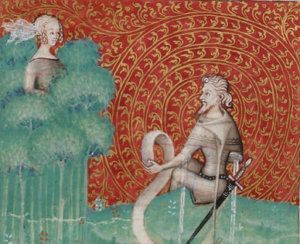 About two years before he composed his famous Mass, the aging master and churchman Guillaume de Machaut fell in love with the too-young noblewoman Péronne d’Armentière, poetess, dancer, and musician, and an unconditional admirer of the older genius and his works. Their bittersweet story, told in the words of both Machaut and Péronne, and sung to the accompaniment of harps, lutes, and vielles, comprises some of the most beautiful and touching love music of the late Middle Ages, including many songs composed and dedicated by the two lovers to each other in the course of their impossible affair.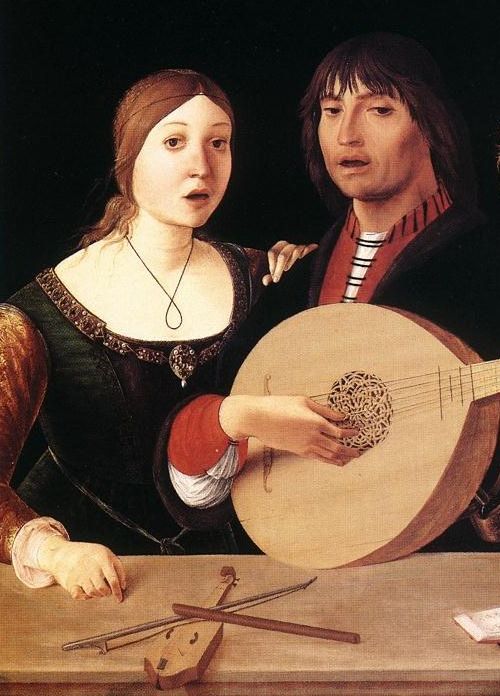
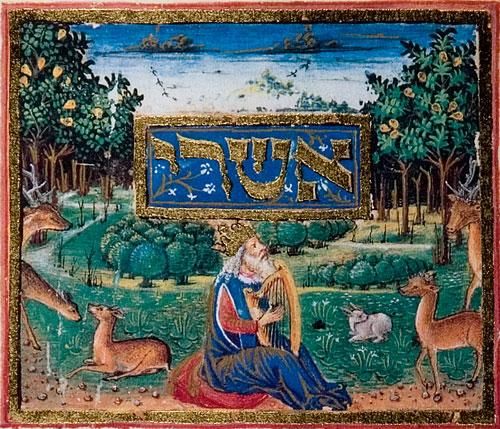
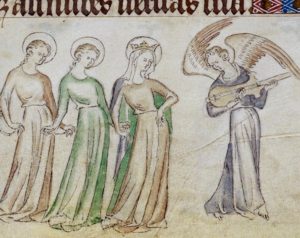 Camerata’s offering to the spirit of spring: a conversation, via fabulous, age-old music and poetry, and very much from the female point of view, around the always-contemporary themes of desire, yearning, and fulfillment. These songs will be performed by a virtuoso consort of women in love (or not).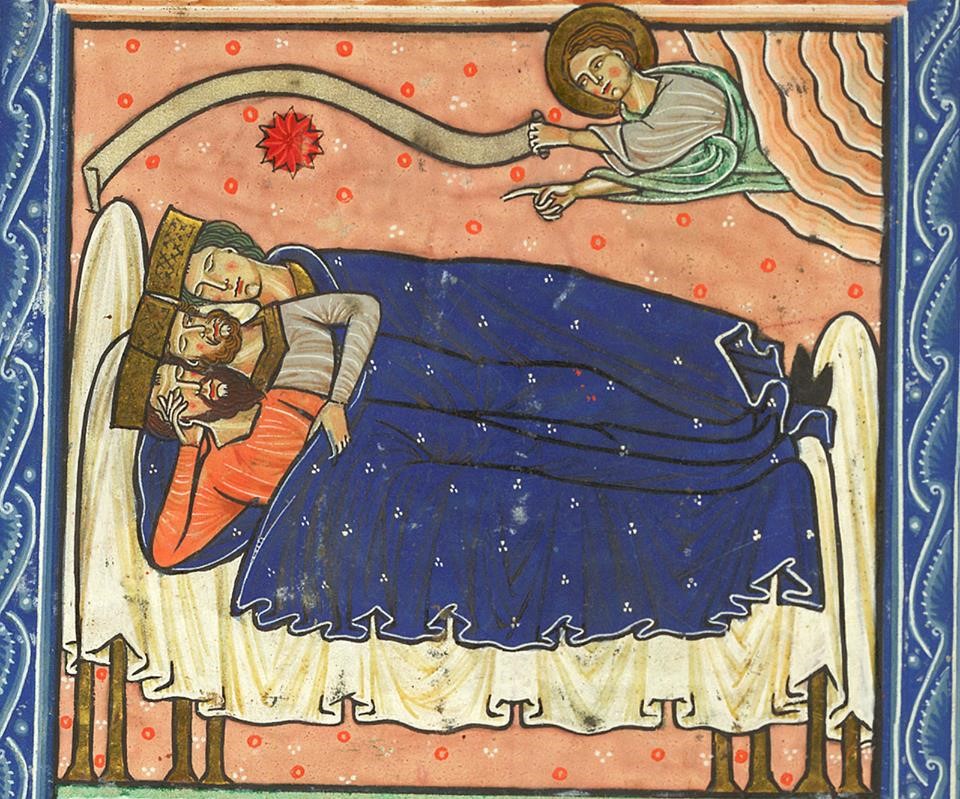
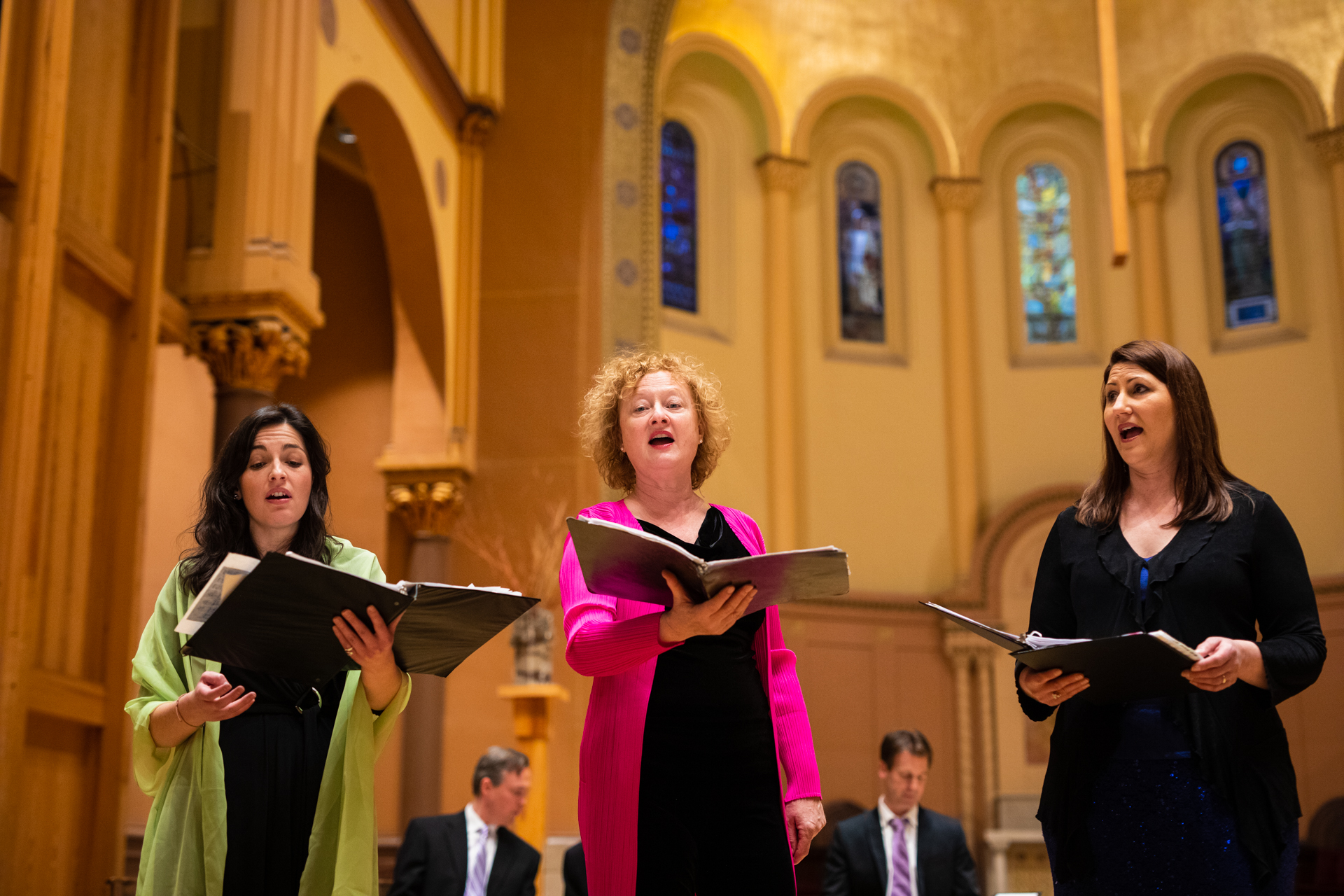
 On this fascinating and inspiring concert, Camerata will perform songs by the many religious groups that came to Boston and New England, beginning with the Puritans in 1640, to the hymn and anthem-singing Congregationalists and Universalists of the eighteenth century, to the utopian Shakers of Maine and Massachusetts, whose enormous production of spirituals and dance songs reveal themselves as central to the American dream of the Shining City.
Solemn and virtuous hymn singing contrasts with the barroom ballads that became religious songs. Carefully ordered worship contrasts with inspired dancing, joyful revelation, and hope for a better world.
On this fascinating and inspiring concert, Camerata will perform songs by the many religious groups that came to Boston and New England, beginning with the Puritans in 1640, to the hymn and anthem-singing Congregationalists and Universalists of the eighteenth century, to the utopian Shakers of Maine and Massachusetts, whose enormous production of spirituals and dance songs reveal themselves as central to the American dream of the Shining City.
Solemn and virtuous hymn singing contrasts with the barroom ballads that became religious songs. Carefully ordered worship contrasts with inspired dancing, joyful revelation, and hope for a better world. 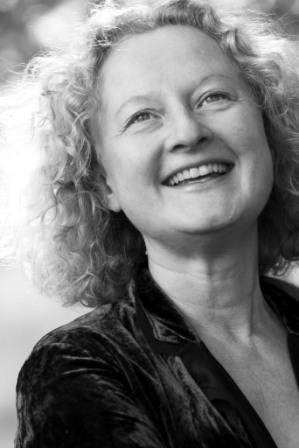 Songes et Mençonges: Dreams and Deceptions
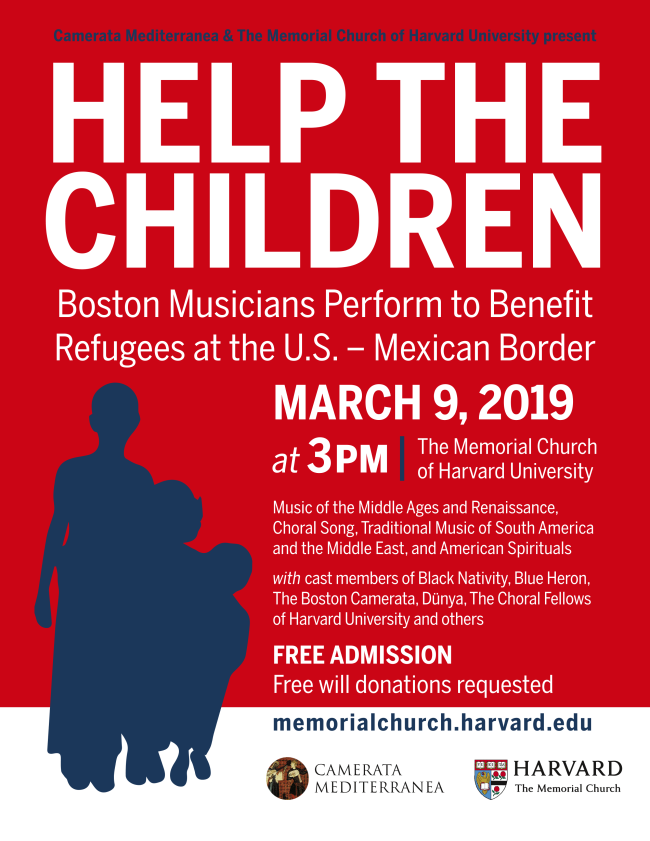
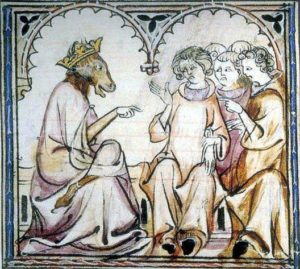 See and hear the orange creature gallop towards NowhereLand! The malevolent animal Fauvel is the protagonist of this acerbic and witty fable satirizing religious and political life in the fourteenth century and laden with implications for our own time and place. Watch Fauvel woo the Goddess Fortune, and resist his attempt to take over fair France! Our semi-staged production offers a generous selection of music, text, and visual stimulation from one of the most famous of all medieval manuscripts.
 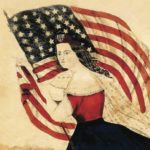 The Camerata brings the soul of the American founding generation to life through hymns, polyphonic songs, and ballads. This concert will explores the vital and life-affirming sounds of the young Republic as its citizens sang and played forth their love of freedom and their rejection of tyranny. The rough-hewn works of citizen-composers, such as Boston tanner William Billings or Vermont tavern-keeper Jeremiah Ingalls, still ring true to our contemporary ears.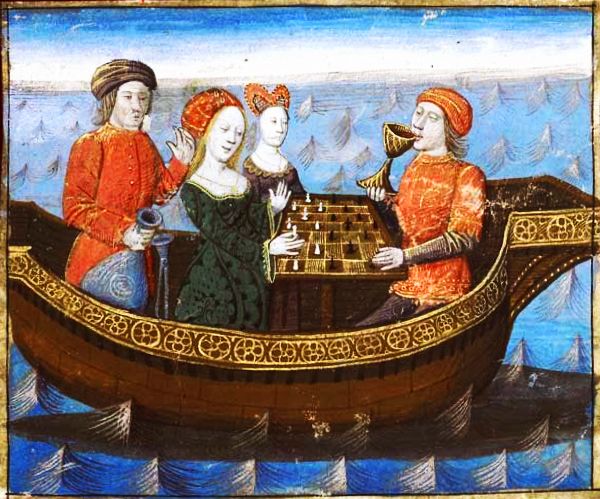
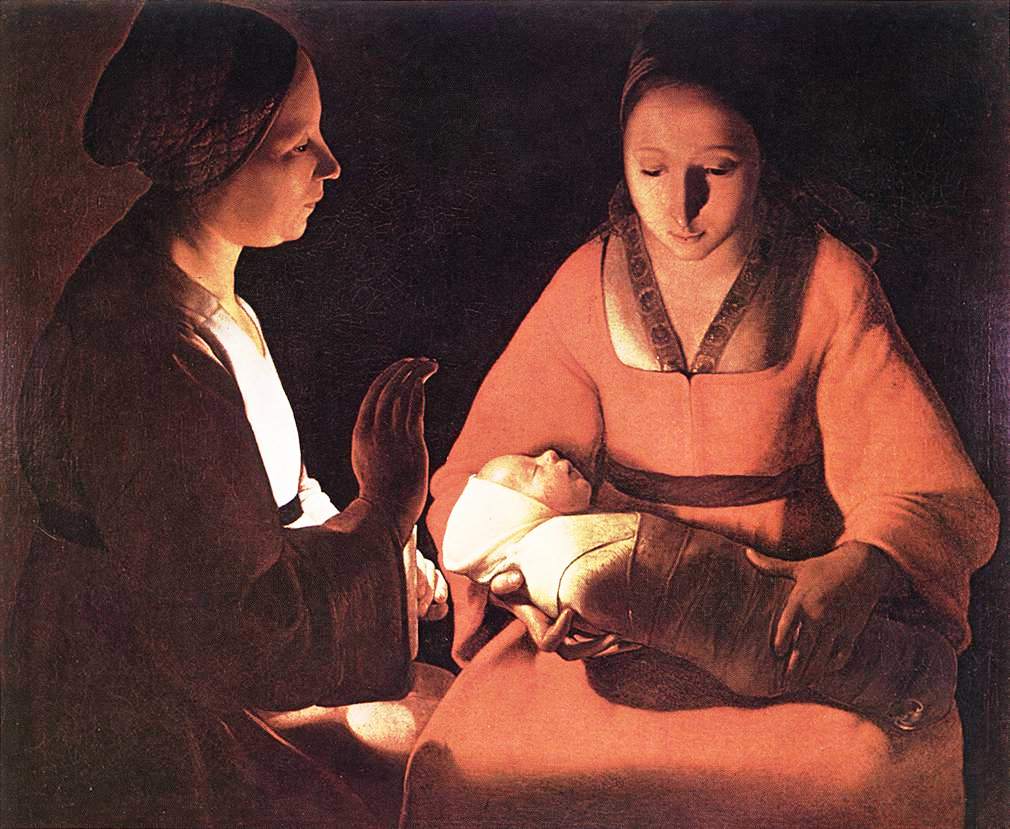 A cornucopia of French Christmas music for voices, viols, harp and organ. Serene liturgies from the Burgundian court mingle with late Renaissance and early Baroque carols and dances. A candlelit performance of Charpentier’s beloved Messe de Minuit is the centerpiece of our evening.
 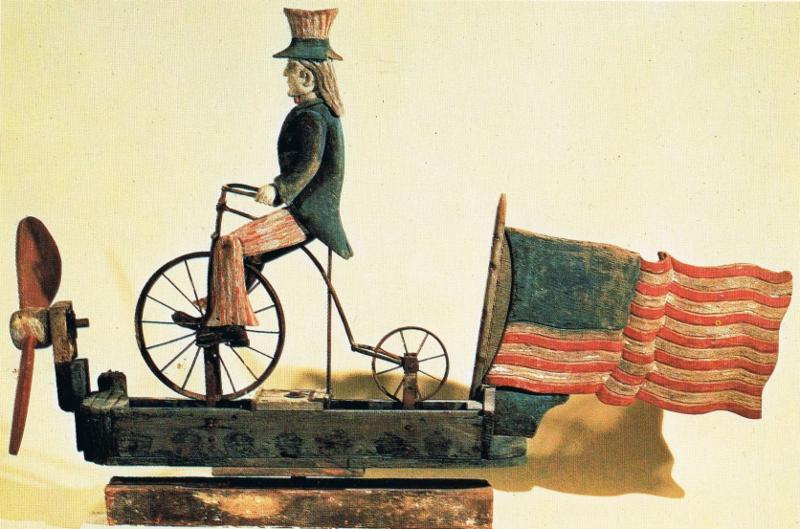 We offer a summer buffet of music for our Maine friends, plus a sneak preview of our 2017-18 season! An opening set of love songs, chants, and spirituals from medieval France is followed by a feast of home-cooked ballads, Revolutionary partsongs, and paeans to American heroes, including pieces from the earliest Maine songbooks.
 Music of personal devotion from the early Renaissance, reflecting the spirituality of homes, family circles, and small chapels in an age of intense religious renewal. Prayers, songs, chants, including music for the Virgin, meditations on the cross, and astonishing reworkings of the day’s popular melodies to sacred texts by Josquin, Agricola, Compère, Senfl, Clemens non Papa, and others. Presented in collaboration with Boston University. Anne Azéma, director, voice; Michael Barrett, voice, lute; Daniel Hershey, voice; Joel Frederiksen, voice, lute; Shira Kammen, vielle, harp; Andrew Arceci and Carol Lewis, violas da gamba.
 This powerful, highly-praised production returns to Boston in 2017 as part of a national tour. The themes of justice, and of truth spoken to power, are once again front and center as the Jewish captive Daniel confronts the tyrannical Belshazzar. The magnificent musical play of Daniel, composed eight centuries ago in Beauvais, France was newly transcribed from the original manuscript source and powerfully staged for modern audiences by Anne Azéma, it was premiered in Boston in 2014 to critical and public acclaim. Presented in collaboration with Trinity Church; with the Trinity Choristers, Boston City Singers, and Longy School of Music of Bard College.